
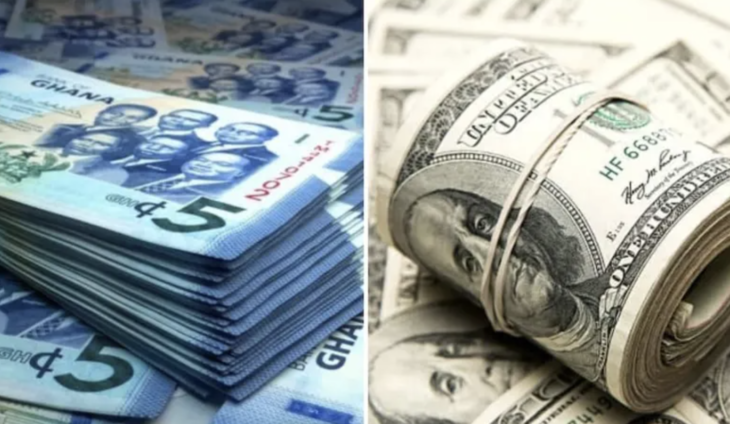
The US dollar has slumped to its lowest level since 2023, with the Bloomberg Dollar Spot Index falling as much as 0.8% on Friday. This decline exte
The US dollar has slumped to its lowest level since 2023, with the Bloomberg Dollar Spot Index falling as much as 0.8% on Friday.
This decline extends the currency’s more-than-7% drop since the beginning of the year, sparking concerns about the impact of trade policies on the world’s top economy.
The dollar’s decline can be attributed to new tariff threats from Trump, which have added to investor concern about the impact of his trade policies.
The threat of tariffs has led to a decrease in investor confidence, causing the dollar to lose its appeal.
Speculative Traders Bet Against the Dollar
Hedge funds, asset managers, and other speculative traders have continued to bet against the dollar, further contributing to its decline.
This trend suggests that investors are increasingly bearish on the dollar’s prospects, driven by concerns about the US economy and the potential consequences of Trump’s trade policies.
Fiscal Deficit Concerns
The risk of a widening fiscal deficit has also weighed on the dollar’s appeal.
As the US government’s spending and borrowing increase, investors worry about the potential consequences for the economy and the value of the dollar.
This concern has contributed to the dollar’s decline, as investors seek safer assets and currencies.
Market Implications
The dollar’s decline has significant implications for the global economy.
A weaker dollar can make imports more expensive, potentially leading to higher inflation and reduced consumer spending.
It can also impact international trade, as a weaker dollar makes US exports more competitive in the global market.

COMMENTS