
The Minority in Parliament has launched a blistering attack on the Mahama-led administration following its unexpected suspension of the controversial
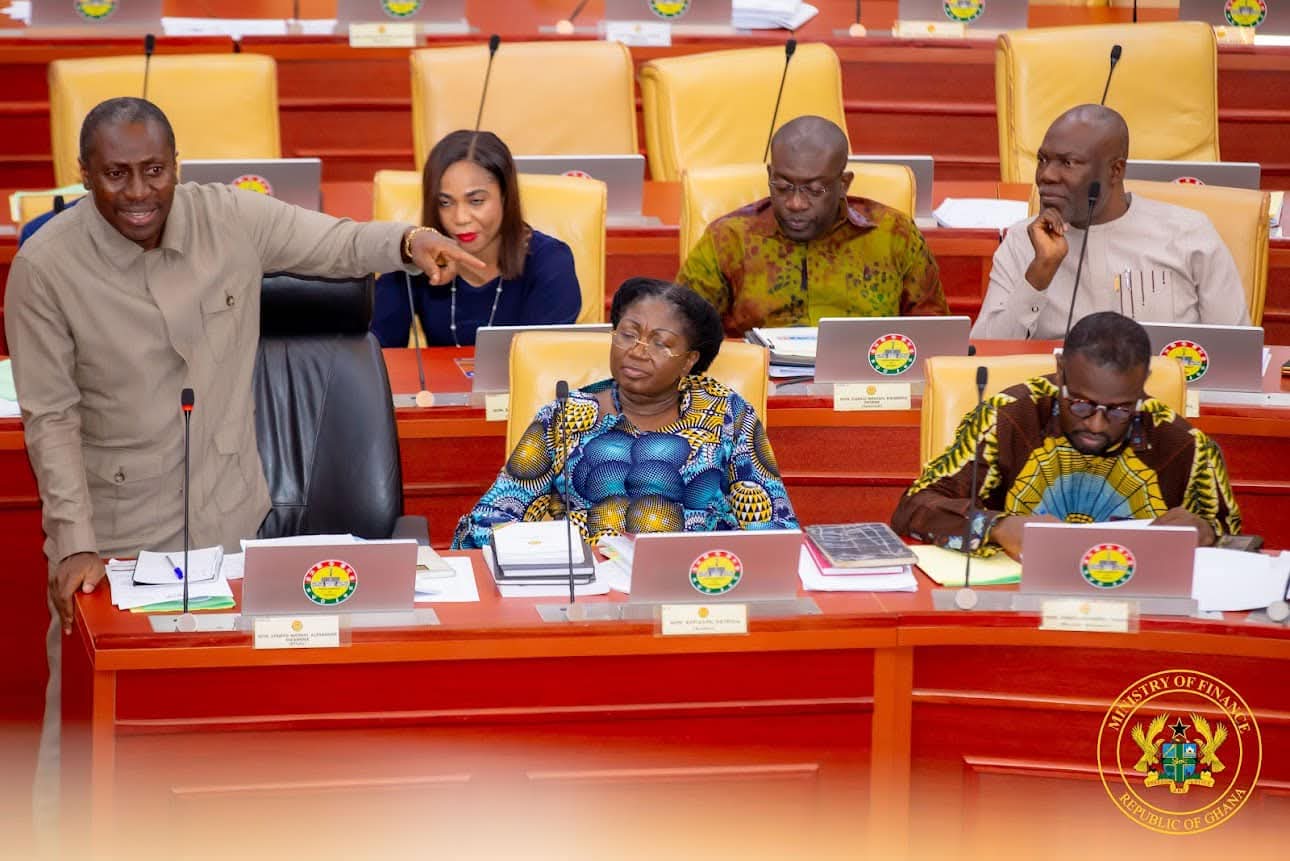
The Minority in Parliament has launched a blistering attack on the Mahama-led administration following its unexpected suspension of the controversial Energy Sector Levies (Amendment) Act, 2025, popularly referred to as the Dumsor Levy.
The levy, which was passed with urgency earlier this year, was set to take effect on June 16 but was abruptly suspended just days before implementation — a move that has ignited sharp criticism from the opposition National Patriotic Party (NPP) caucus in Parliament.
In a strongly worded statement on Saturday, June 14, Minority Leader Alexander Kwamina Afenyo-Markin described the suspension as more than just a policy delay — calling it a “shameful retreat” and an “admission of economic mismanagement and inconsistency” by the National Democratic Congress (NDC) government.
A Controversial Levy Stopped in Its Tracks
The Energy Sector Shortfall and Debt Repayment Levy was designed to impose additional taxes on petroleum products to address legacy debts in the energy sector and fund infrastructure upgrades.
However, just three days before it was due to be implemented, the Ghana Revenue Authority (GRA) issued a directive postponing the rollout, citing global crude oil price volatility and public backlash.
The Minority has interpreted the suspension as a sign that the government lacked proper planning and failed to consult key stakeholders ahead of the law’s passage.
“You don’t rush a law through Parliament only to suspend it days before implementation unless you’ve realised you never should have passed it in the first place,” Afenyo-Markin argued. “This is not a review. This is panic governance at its worst.”
Accusations of Hypocrisy and Double Standards
The Minority Leader did not spare the government from accusations of hypocrisy.
He recalled how, in opposition, the NDC had dismissed the Akufo-Addo administration’s appeals to global crises like COVID-19 and the Russia-Ukraine war as justifications for economic hardship.
Now in power, the NDC is attributing the suspension of the Dumsor Levy to similar external shocks — this time the ongoing instability in the Middle East.
“This is the same administration that mocked the previous government for blaming external factors. Now they’re hiding behind global oil volatility. The hypocrisy is breathtaking,” Afenyo-Markin stated.
He further insisted that this turnaround highlights a fundamental contradiction in the NDC’s leadership narrative, noting that within just six months of returning to power, they are adopting the very excuses they once condemned.
Calls for Full Repeal and Accountability
The Minority is demanding more than just a suspension. Afenyo-Markin urged the government to completely repeal the levy under a certificate of urgency, describing it as a morally indefensible tax during a time of economic hardship.
“At a time when food prices, transport fares, and utility costs are all rising, this government thought it wise to impose more fuel taxes? That’s not just economically reckless — it’s morally bankrupt,” he said.
The Minority has also rejected any suggestion that their opposition to the levy has contributed to the country’s ongoing power outages, popularly referred to as dumsor.
“Let no one dare suggest that this delay is why we are in darkness. The previous government kept the lights on without such a levy. If the NDC can’t manage the power sector without taxing people to death, they have no business being in office,” Afenyo-Markin retorted.
Inefficiencies in the Power Sector
In addition to opposing the tax, the Minority Leader called out systemic failures within the Electricity Company of Ghana (ECG).
He pointed to widespread power theft, expired prepaid meters still in use, and the stalled implementation of the Loss Reduction Programme, which was meant to upgrade obsolete infrastructure and curb illegal electricity usage.
“There are companies ready to supply meters, but government inaction is stalling progress,” he said, demanding that the Energy and Green Transition Minister present comprehensive policy documentation for parliamentary scrutiny.
He called for more transparency in the energy sector and greater legislative oversight, stressing that the public deserves accountability on how the government plans to solve the power crisis without burdening already struggling households.
A Matter of Principle
Afenyo-Markin concluded by framing the issue as one of principle, urging Ghanaians to reject the levy entirely and support the Minority’s call for its complete abolition.
“This isn’t just about political opposition. It’s about protecting the public from arbitrary taxation. If we allow this tax to stand, no one is safe from what might come next,” he warned. “Ghanaians deserve light — but not by being taxed into darkness.”
The government’s backtracking on the Dumsor Levy has reignited broader debates over economic policy direction, transparency, and the social contract between citizens and the state.
However, as Parliament prepares for further debates on the matter, all eyes remain fixed on whether this is merely a pause — or the beginning of a complete policy reversal.

COMMENTS