
The Commission on Human Rights and Administrative Justice (CHRAJ) has issued a stern warning to Parliament, demanding the urgent passage of the stalle
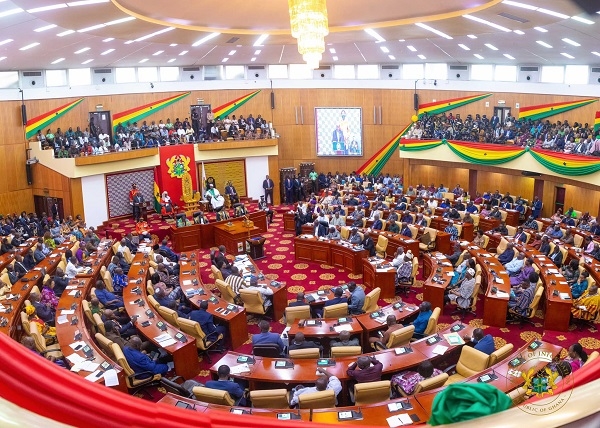
The Commission on Human Rights and Administrative Justice (CHRAJ) has issued a stern warning to Parliament, demanding the urgent passage of the stalled Anti-Witchcraft Bill to prevent further loss of life and escalating violence against vulnerable individuals, particularly women and the elderly.
This renewed call comes amid fresh incidents of witchcraft-related abuse and killings, underscoring the deadly consequences of legislative inaction.
Speaking at a public forum on Wednesday, July 24, 2025, CHRAJ Commissioner Joseph Whittal marked the fifth anniversary of the brutal lynching of Akua Denteh — a 90-year-old woman beaten to death in Kafaba, East Gonja — by sounding an alarm that the nation has failed to learn from its past.
“Why don’t you allow the bill to pass, and if anyone disagrees, they can challenge it in court?” Whittal questioned.
He condemned what he called Parliament’s sluggishness, stressing that repeated delays are giving tacit approval to mob justice and spiritual vigilantism.
He also criticized the irony that the sitting president hails from a region where such abuses are rampant.
CHRAJ’s plea follows a disturbing rise in witchcraft accusations in recent weeks.
In Anhwiesu, Central Region, on July 22, an 11-year-old girl and three elderly women were accused of “spiritual attacks” on community members.
A fetish priest was reportedly brought in to perform a violent public exorcism.
Just a week earlier, on July 15, in Sangbana, a remote village in the North East Region, a 70-year-old woman was murdered by locals who accused her of witchcraft.
Four individuals were arrested, but several suspects remain at large.
The Commission said these cases are part of a broader pattern of entrenched superstition and mob-driven abuses in rural communities, where traditional beliefs often override legal protections and human rights.
The legislative tool meant to tackle this issue — the Criminal Offences (Amendment) Bill, 2023, popularly known as the Anti-Witchcraft Bill — was passed by Parliament on July 28, 2023.
It was championed by Francis-Xavier Sosu, the Member of Parliament for Madina, along with other legislators on the then Minority side.
The bill seeks to criminalize witchcraft accusations, the activities of so-called witch doctors, and the stigmatization of alleged witches.
Despite its parliamentary approval, the bill never took effect. Former President Nana Addo Dankwa Akufo-Addo declined to assent to the legislation, citing concerns about its potential financial impact on the consolidated fund, particularly in terms of law enforcement and public education.
Human rights groups and legal experts, however, argue that the cost of inaction is far greater.
They warn that until the law is enacted and enforced, Ghana risks normalizing a culture of fear and violence under the guise of spiritual cleansing.
The delay in giving legal force to the bill has also drawn criticism from civil society organizations, faith-based leaders, and international human rights observers, many of whom accuse Parliament of abdicating its moral and constitutional responsibility to protect the most vulnerable.
With incidents on the rise and a growing chorus of public outcry, CHRAJ has made it clear: if lawmakers fail to act, they will share in the blame for every life lost to ignorance and abuse masquerading as tradition.
“The blood of these victims will be on your hands,” Whittal concluded, directing his message squarely at Ghana’s legislative body.

COMMENTS