
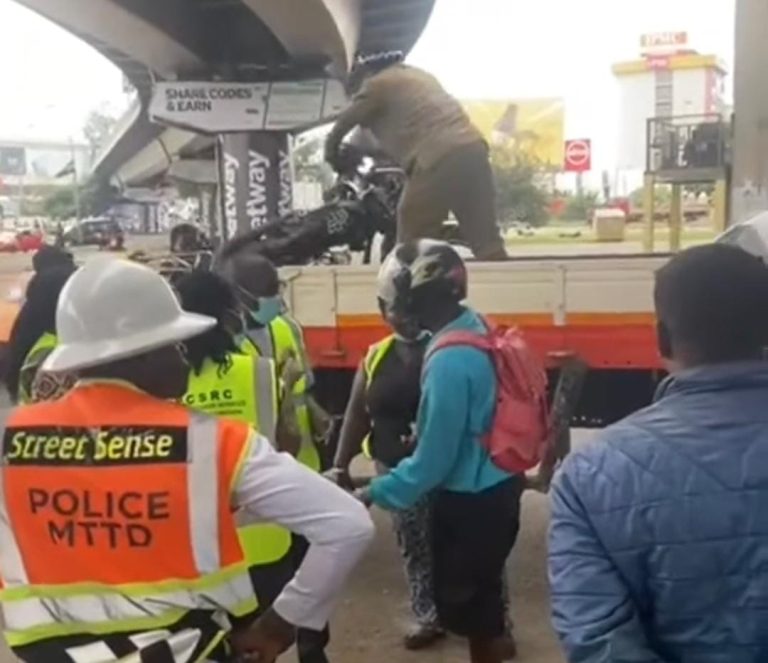
The much-debated issue of commercial motorbike operations, popularly known as Okada, has resurfaced in the political and social space after a wave of
The much-debated issue of commercial motorbike operations, popularly known as Okada, has resurfaced in the political and social space after a wave of arrests targeting riders—ironically under the same John Mahama government that once championed their legalization.
From Campaign Promise to Crackdown
In opposition, John Dramani Mahama and the National Democratic Congress (NDC) positioned themselves as defenders of Okada riders.
In the 2020 and 2024 campaigns, Mahama consistently promised to legalize, regulate, and professionalize the Okada industry, which had long operated in a legal grey area.
John Mahama’s pledges went beyond legalization.
He assured riders of free training, free licensing, and integration into the transport economy as a way of tackling youth unemployment and boosting revenue through taxation.
At the time, the proposal sparked heated debates—while many young riders saw it as a lifeline, critics raised concerns over road safety and potential risks to passengers.
In his 2024 manifesto, Mahama reiterated that an NDC government would formalize the Okada business, criticizing the New Patriotic Party (NPP) for failing to keep its counter-promise of replacing motorbikes with vehicles for riders.
“Your freedom will be opened on January 7, 2025,” Mahama told a cheering crowd of riders in Ashaiman, only months before the general election.
The Reality on the Ground
Fast forward to 2025, Okada riders are facing a starkly different reality.
On Thursday morning, hundreds of riders have been arrested in various parts of Accra for operating without licenses, violating road safety regulations, or failing to register with newly introduced systems under the NDC administration.

According to riders, fines range from ₵600 to ₵1,000, a burden many see as punitive given the promises of free licensing and regulatory support.
Even more surprising is the extension of enforcement to delivery riders, who now face mandatory registration of their operations.
Several riders claim they were unaware of the requirement and have been arrested and fined for “ignorance of the law.”

The Broken Promise Debate
This sharp U-turn has left many questioning the Mahama government’s commitment to its earlier promises.
To critics, the crackdown exposes a contradiction between political rhetoric and governance.
In opposition, the NDC presented the Okada industry as a solution to unemployment, with Mahama himself citing statistics that over 1.7 million Ghanaians depended on commercial motorcycle operations for their livelihoods.
By legalizing and regulating the sector, the party argued, the government could both create jobs and generate revenue through taxation.
But riders now argue that instead of the promised empowerment, they are facing harassment, arrests, and financial penalties.
“We voted because of the promise to legalize Okada,” one rider said. “Now they are treating us worse than before.”
The Wider Policy Question
The Okada issue has long been a contentious policy debate in Ghana.
While countries in East Africa, such as Kenya and Uganda, have successfully regulated motorcycle taxis, Ghana has struggled to strike a balance between public safety concerns and the livelihoods of thousands who depend on the business.
The NPP government, which ruled from 2017 to 2025, resisted legalizing Okada, citing road safety risks.
Instead, they promised an alternative of providing vehicles to Okada riders, a pledge that never materialized.
The NDC capitalized on this failure, making Okada legalization a flagship campaign policy in both 2020 and 2024.
Now, the NDC’s own approach is under scrutiny, as riders accuse the Mahama government of betrayal.

COMMENTS