
The Ghanaian cedi’s impressive performance has taken a hit, with the currency weakening by 13% in the third quarter, erasing some of its 50% gain earl
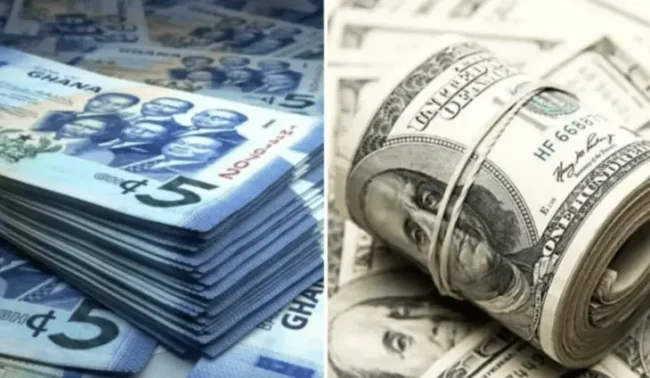
The Ghanaian cedi’s impressive performance has taken a hit, with the currency weakening by 13% in the third quarter, erasing some of its 50% gain earlier in the year.
This downturn is attributed to a surge in demand for dollars by companies paying for imports ahead of the year-end holiday season.
Background
The import-dependent economy typically experiences increased demand for foreign currency during the last quarter as businesses stock up on goods before Christmas.
The country’s reliance on imports for essential goods like food and machinery puts pressure on the local currency.
Despite having a strong bullion price, the cedi’s recent struggles are linked to the central bank’s inability to supply sufficient foreign currency to the market.
FX Shortage And Reserves
The Bank of Ghana’s limited deployment of funds from the country’s gross international reserves, which soared to a three-year high of $11.1 billion by the end of June, has contributed to the cedi’s weakness.
Analysts, including Hamza Adam, head of market-risk management at UMB Bank Ltd, note that banks have received only partial fulfillment of their dollar requests, exacerbating the shortage.
Economic Implications
The cedi’s depreciation could lead to higher import costs and reduced purchasing power for Ghanaians.
With the currency trading at 11.9507 per dollar, the central bank faces a delicate task in balancing the need to maintain economic stability while ensuring sufficient foreign exchange liquidity.
Central Bank’s Response
The Bank of Ghana has stated that its role is to ensure orderly fluctuations in the currency market, reflecting economic fundamentals without undermining confidence in the broader economy.

COMMENTS