
A U.S. federal judge has raised serious concerns about the Trump administration’s handling of recent deportations of West African migrants, questionin
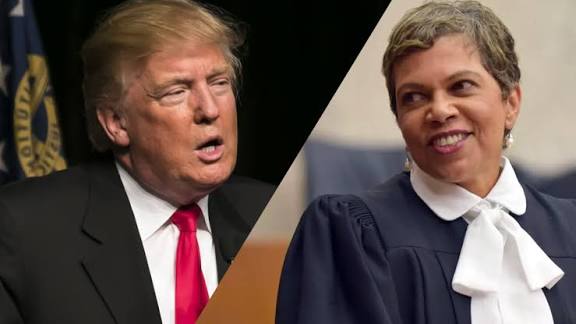
A U.S. federal judge has raised serious concerns about the Trump administration’s handling of recent deportations of West African migrants, questioning why Nigeria and Gambia nationals were flown to Ghana under a controversial arrangement with President John Dramani Mahama’s government.
On Saturday, Judge Tanya Chutkan of the Washington, D.C. District Court convened an emergency hearing after lawyers for several of the deportees alleged that their clients had been unlawfully transferred.
The migrants, they argued, faced the risk of torture and persecution if returned to their countries of origin.
Judge Questions U.S. Tactics
Judge Chutkan suggested that the administration may have deliberately “crafted a deal” with Ghana to sidestep U.S. immigration laws, which prohibit deporting individuals to countries where they face credible danger.
She described the maneuver as “an end run around the law,” noting that the concerns were not speculative but based on established facts.
“These are not speculative concerns. The concerns are real enough that the United States government agrees they shouldn’t be sent back to their home country,” Chutkan stated, emphasizing that the government’s actions potentially violated its own legal obligations.
She ordered the Trump administration to file a report by 9 p.m. EDT detailing steps being taken to prevent Ghana from transferring the migrants to Nigeria or Gambia.
Deportees Describe Harsh Treatment
According to a lawsuit filed on Friday by the American Civil Liberties Union (ACLU) and Asian Americans Advancing Justice, five deportees were taken from a Louisiana detention facility, shackled, and placed on a U.S. military plane without being informed of their destination. Some were allegedly placed in straitjackets for the 16-hour journey.
One of the deportees, a bisexual man, has already been sent to Gambia, where he is reportedly in hiding.
The other four remain in Ghana, being held under harsh conditions at an open-air detention facility run by the Ghana Armed Forces.
The migrants were granted U.S. legal protections against deportation to their home countries, but the administration insisted that a June Supreme Court ruling allowed transfers to “third countries” instead.
Ghana Confirms Agreement with U.S.
President Mahama confirmed earlier in the week that Ghana had entered into an arrangement with the U.S. to temporarily receive West African deportees.
Fourteen individuals had already arrived, including Nigerians and Gambians. While Nigerians have been transported back home by bus, arrangements for the Gambian national were ongoing.
John Mahama defended the decision as consistent with ECOWAS protocols, which allow visa-free travel for up to 90 days within the region.
“All our fellow West African nationals don’t need visas to come to our country,” he said.
Opposition Backlash
In Ghana, however, the decision has sparked a political storm.
The Minority in Parliament has accused the government of breaching Article 75 of the 1992 Constitution by entering into an international agreement without parliamentary approval.
They argue that the move mirrors the controversial 2016 “Gitmo Two” case, in which the Supreme Court ruled that the admission of two Yemeni terror suspects into Ghana without parliamentary ratification was unconstitutional.
Opposition lawmakers are calling for the immediate suspension of the U.S. deportee agreement until Parliament has scrutinized it, warning that the arrangement threatens Ghana’s sovereignty and security.
A Brewing Diplomatic
For now, Judge Chutkan’s order has thrown a spotlight on the Trump administration’s deportation strategy, raising questions about legality, human rights protections, and the role of third countries like Ghana.
With migrants caught in limbo, U.S. courts, Ghanaian lawmakers, and international human rights advocates are now watching closely to see whether Washington and Accra will be forced to revise or suspend the deal.

COMMENTS