
The Bank of Ghana has signalled that it can no longer absorb the financial burden arising from the controversial Gold-for-Reserves (G4R) programme, ra
The Bank of Ghana has signalled that it can no longer absorb the financial burden arising from the controversial Gold-for-Reserves (G4R) programme, raising serious questions about accountability and the true cost of the initiative.
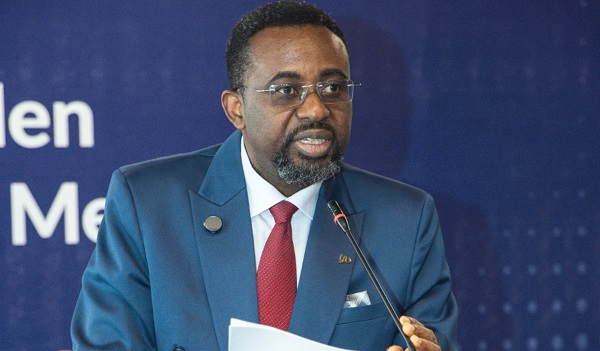
Speaking at the Public Accounts Committee, the Governor Dr. Johnson Pandit Asiama disclosed that discussions are ongoing with the Ministry of Finance to secure reimbursement for the losses incurred under the programme, effectively transferring the responsibility for multi-billion-cedi shortfalls from the Central Bank to the national treasury.
The revelation comes amid a swirl of public debate over the reported US$214 million trading losses linked to GoldBod’s operations under the G4R programme, which the International Monetary Fund (IMF) identified as a significant source of risk to the fiscal and monetary stability.
While GoldBod CEO Sammy Gyamfi has previously distanced the board from these losses, suggesting operational issues were linked to the Central Bank, Dr. Asiama’s latest comments underscore that even the BoG now considers the accumulated losses unsustainable.
“Going forward, we are not in a position to shoulder these costs. We are having a conversation with the Minister of Finance to reimburse us for the losses suffered under the Gold-for-Reserves programme,” Dr. Asiama stated.
The statement signals a potential shift in responsibility from the Central Bank to the broader public finances, highlighting the quasi-fiscal nature of the programme and the strain it has placed on monetary authorities.
However, opposition figures interpret these developments as a confirmation of the IMF’s earlier assessment that Ghana Gold Board’s operations have directly contributed to state losses.
They note that the programme, designed to accumulate foreign reserves by purchasing gold from artisanal and small-scale miners, has instead resulted in significant trading deficits, exacerbated by the structure of transactions that saw gold bought at high domestic prices and sold abroad at a discount to account for refining and transport costs.
The sequence of events has generated a complex narrative: Sammy Gyamfi maintains that the losses do not originate from GoldBod’s direct operations, while the BoG Governor now openly seeks reimbursement from the Finance Ministry
This interplay exposes systemic weaknesses in the management of the programme, particularly regarding risk allocation and budgetary coverage.

COMMENTS