
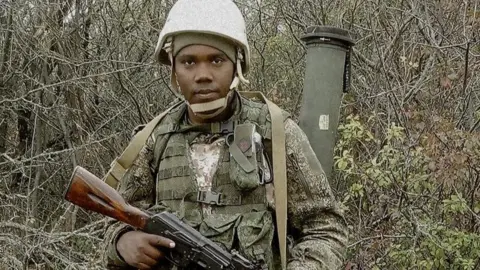
A recent Kenyan intelligence report has revealed that more than 1,000 Kenyans were recruited to fight for Russia in its ongoing war against Ukraine.
A recent Kenyan intelligence report has revealed that more than 1,000 Kenyans were recruited to fight for Russia in its ongoing war against Ukraine.
Many of these individuals were allegedly misled by recruitment agencies working in collusion with Russian officials, who promised them skilled jobs in Russia.
Instead, they were sent to the front lines of the conflict. The report, presented to Kenya’s parliament, highlights how vulnerable groups were targeted by these schemes, raising serious concerns about exploitation and human trafficking under the guise of employment opportunities.
The revelations have sparked outrage in Kenya, with families of those recruited staging demonstrations in Nairobi demanding accountability and the safe return of their relatives.
Lawmakers have accused the Russian Embassy of playing a role in the deception, though Moscow has denied any involvement, insisting that foreign nationals can voluntarily join its armed forces.
The scale of recruitment—five times higher than earlier estimates—has intensified calls for stronger government oversight of employment agencies and stricter measures to protect citizens from being lured into foreign conflicts.
This development also underscores the broader geopolitical implications of the Ukraine war, as Russia appears to be extending its recruitment networks into Africa.
Kenya, along with other African nations such as South Africa, has raised concerns about the covert targeting of its citizens.
The issue not only exposes the vulnerabilities of young job seekers but also places Kenya in a delicate diplomatic position, balancing its domestic outrage with international relations.
The incident has become a flashpoint for debates on foreign influence, labour migration, and the exploitation of African nationals in global conflicts.

COMMENTS