
Ghana’s Attorney-General, Dr Dominic Ayine, has ordered law enforcement agencies to stop parading suspects before the media, publishing photographs ta
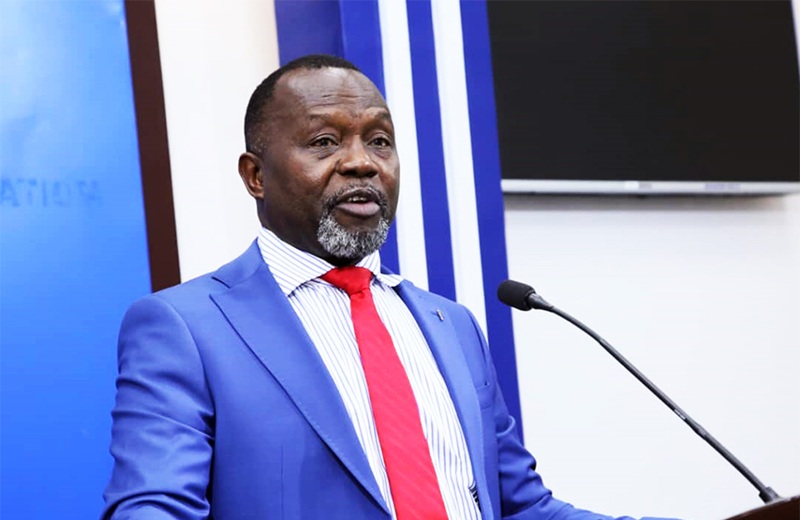
Ghana’s Attorney-General, Dr Dominic Ayine, has ordered law enforcement agencies to stop parading suspects before the media, publishing photographs taken in custody or presenting individuals in ways that imply they are guilty.
The instruction is set out in new guidelines issued to law enforcement agencies, which stress the presumption of innocence and the right of every suspect to a fair trial.
Only authorised agency spokespersons should make public statements about investigations, the guidelines say. Such statements must be limited to factual information and must not include opinions about a suspect’s guilt or reveal evidence that could prejudice court proceedings.
“Suspects shall not be paraded before the media, photographed in custody for publication, or presented to the public in a manner that suggests guilt,” Dr Ayine said.
The guidelines also prevent officers from releasing confessions, statements or exhibits to the media before a case has gone to trial.
They further state: “Officers shall not disclose information concerning an investigation on social media or to any unauthorized person.”
Bail rules
Dr Ayine said detention should be treated as an exception, while liberty must be the general rule.
Suspects are therefore to be released on enquiry bail where investigations can continue without them being kept in custody. Any bail conditions imposed must be reasonable and proportionate to both the alleged offence and the suspect’s circumstances.
The guidelines prohibit officers from demanding or accepting money, gifts or favours in return for granting bail, emphasising that “bail is free”.
They also ban excessive or unattainable sureties, cash deposits that are not provided for by law, and the retention of title documents as a condition of release.
“Bail shall not be used as punishment,” the directive states.
Every decision to grant or refuse enquiry bail must be recorded, along with the reasons for the decision and details of any conditions imposed.
If enquiry bail is refused, the suspect must be taken before a court within the constitutionally prescribed 48-hour period.
Investigations and remand
The Attorney-General also reminded law enforcement bodies that people who are not tried within a reasonable time must be released, either without conditions or subject to reasonable conditions, under Article 14(4) of the 1992 Constitution.
Investigating officers have consequently been instructed to complete their work and submit case dockets promptly.
The aim is to prevent accused people from remaining on remand while investigators continue gathering evidence.

COMMENTS