
In recent years, education policy in Ghana has become a subject of national discussion, particularly with the introduction of the Free Senio
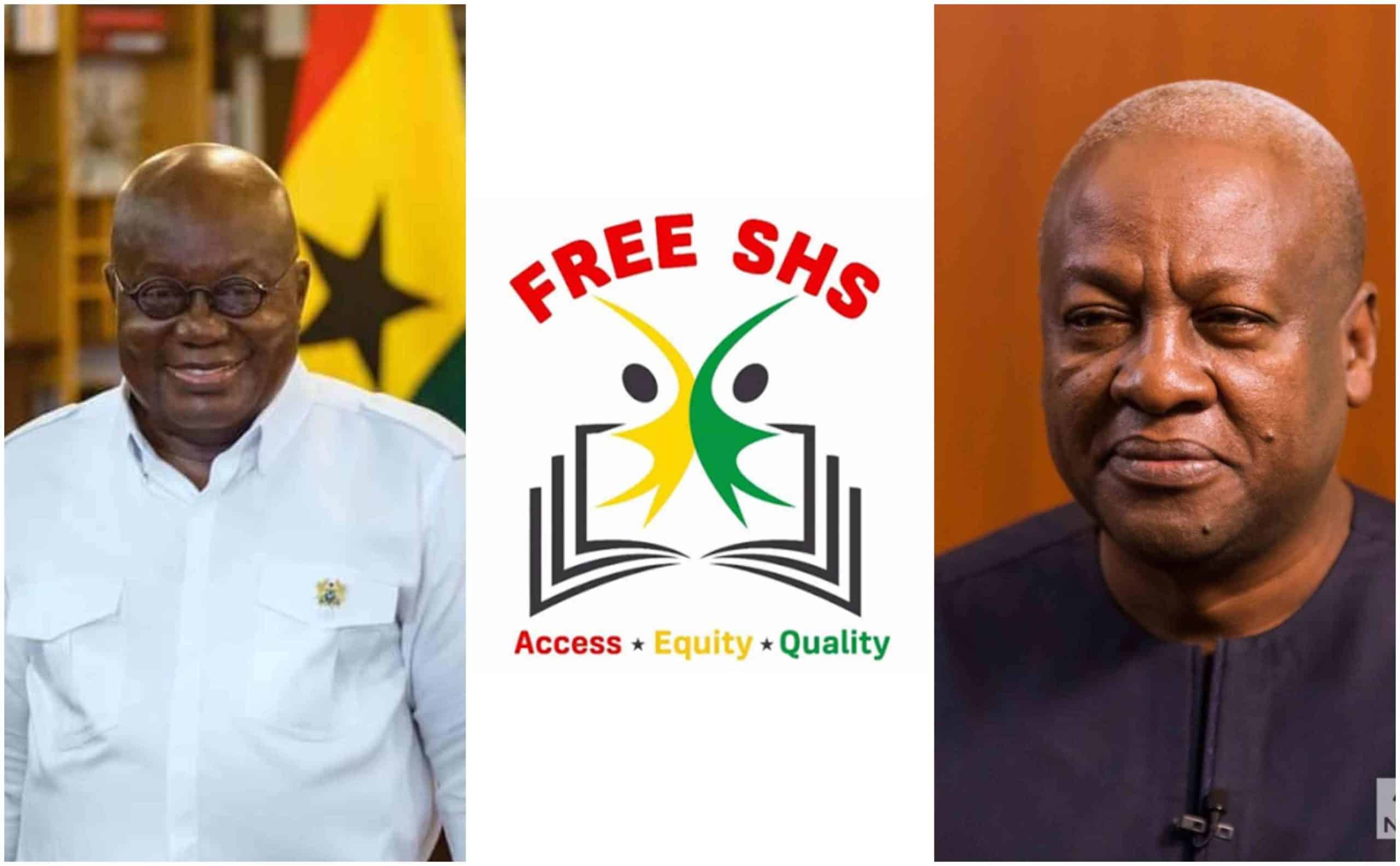
In recent years, education policy in Ghana has become a subject of national discussion, particularly with the introduction of the Free Senior High School (SHS) policy. Some voices are now calling for the extension of such benefits to tertiary education by scrapping admission fees. While this may seem like a logical next step, it raises a critical question: Which should be the higher national priority — Free SHS or Free Admission Fees for Tertiary Students?
After a careful analysis of the broader socio-economic and developmental goals of Ghana, it becomes clear that Free SHS must remain the top priority.
1. Education is a Ladder — SHS Is the Rung Before Tertiary
Every journey through formal education follows a step-by-step process. Before a student can dream of entering a university, they must first successfully complete SHS. If SHS remains inaccessible to poor or rural students, then talk of free tertiary admission becomes meaningless to them. Ensuring access to SHS is like building a solid bridge toward higher education and future careers.
2. Free SHS Benefits a Larger Population
The Free SHS policy has opened doors to hundreds of thousands of Ghanaian students who might otherwise have dropped out after basic education. By comparison, the percentage of students who transition from SHS to tertiary institutions is relatively low. Investing in Free SHS ensures that a larger segment of the population benefits, making it a more inclusive and democratic policy.
3. Reducing Poverty and Promoting Social Equity
Many families across Ghana struggle to afford SHS fees. Free SHS has become a lifeline for children from low-income, rural, and disadvantaged backgrounds. It prevents early marriage, child labour, and school dropouts. In this sense, it is not just an educational policy, but a social justice initiative that promotes equality.
In contrast, students who qualify for tertiary education are usually among the more privileged group — academically and sometimes economically. While they also deserve support, their needs are not as urgent or widespread.
4. Tertiary Education is Selective by Nature
Tertiary institutions accept only a limited number of students each year based on merit. While waiving admission fees may ease financial burdens for some students, it only applies to those who have already passed several academic hurdles. Thus, the impact of free tertiary admission would be felt by a smaller and more elite group, leaving many others behind.
5. Strengthening the Nation’s Human Capital
Free SHS creates a more educated general population — not just those destined for universities. Many SHS graduates go on to become teachers, artisans, security officers, nurses, and entrepreneurs. By investing in SHS, Ghana lays the groundwork for a versatile and productive workforce that will drive national development.
The Way Forward: A Gradual Expansion
This is not to say that free tertiary education should be ignored. Over time, the government can explore targeted scholarships, loan forgiveness, and subsidies for tertiary students — especially in critical fields like medicine, engineering, and education. However, such policies must come after a strong foundation is built through universal secondary education.
Conclusion
While both Free SHS and Free Tertiary Admission are valuable, Free SHS is the greater national priority. It offers more inclusive benefits, supports the youth from diverse backgrounds, and lays the foundation for a stronger, more equitable Ghana. In the journey of nation-building, we must first ensure that every child completes the essential steps before leaping to higher opportunities.
Source: Boaitey Kwasi Dickson
Juaben Constituency Youth Organiser, NPP

COMMENTS