
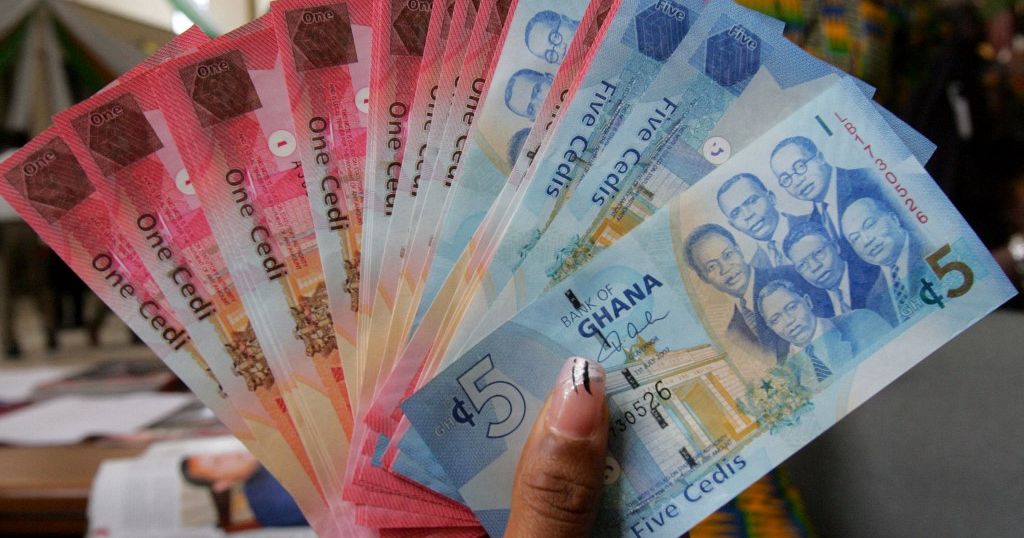
The National currency, the cedi, has once again made global headlines—this time for the wrong reasons. Barely five months after being hailed as the
The National currency, the cedi, has once again made global headlines—this time for the wrong reasons.
Barely five months after being hailed as the world’s best-performing currency, the cedi has plummeted to become the worst performer in Africa, according to a Bloomberg report released this week.
In April 2025, the cedi had surprised global markets by appreciating 16 percent against the US dollar, a rally supported by surging gold prices and tighter monetary policy.
That brief period of strength helped reduce inflationary pressures, with consumer inflation falling to 21.2 percent—the lowest in eight months at the time.
Many analysts saw this as a sign of renewed confidence in Ghana’s struggling economy.
However, the tide has shifted drastically. Between July and September, the cedi depreciated by 13.4 percent against the US dollar, the steepest quarterly decline among all tracked currencies worldwide.
The losses erased a significant portion of the 50 percent gains it had recorded earlier in the year, placing Ghana’s currency at the bottom of Bloomberg’s global rankings.
The sharp decline has been attributed mainly to rising demand for foreign exchange by businesses importing goods ahead of the Christmas season. Ghana’s economy is heavily import-dependent, relying on inflows of food, fuel, machinery, and other essentials.
The heightened need for dollars has put enormous pressure on the local currency, especially as the Bank of Ghana has struggled to supply enough forex to meet demand.
Hamza Adam, Head of Market-Risk Management at UMB Bank, confirmed the squeeze.
“Last week, banks that submitted dollar requests on behalf of clients received only half of what they asked for,” he said in an interview from Accra. “This week the central bank is trying to meet all demand, but pressures remain.”
Bloomberg’s data paints a grim picture. In the third quarter of 2025, the Ghanaian cedi fell further than the Ethiopian birr (-4.1%), Chilean peso (-4.3%), Dominican Republic peso (-5.6%), Botswana pula (-7.7%), and even the perpetually unstable Argentine peso (-11.5%).
The cedi, which traded at GH¢11.95 per dollar in early September, was the worst of them all.
Ironically, Ghana’s external reserves had climbed to a three-year high of $11.1 billion by the end of June, offering what should have been a buffer against shocks.
But critics argue that the central bank’s reluctance to release sufficient forex into the market has contributed to the volatility.
The Bank of Ghana, however, insists its priority is to maintain orderly fluctuations.
“The cedi should be stable within a reasonable range,” the central bank said in an emailed response, stressing that interventions must reflect economic fundamentals.
The latest development underscores the fragile state of the economy, which has been battling high inflation, debt restructuring challenges, and an overreliance on commodity exports.
For many businesses and households, the cedi’s renewed weakness means higher costs of goods and services at a time when living standards are already under strain.

COMMENTS