
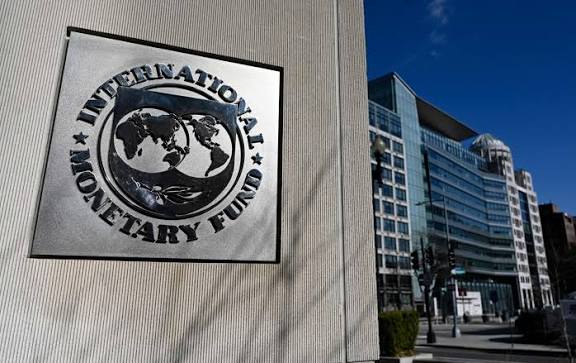
Ghana is on the verge of securing the International Monetary Fund (IMF) Executive Board’s approval for the fifth review of its three-year $3 billion E
Ghana is on the verge of securing the International Monetary Fund (IMF) Executive Board’s approval for the fifth review of its three-year $3 billion Extended Credit Facility (ECF) programme, with the decision expected in December 2025.
This follows a staff-level agreement reached earlier in October between the IMF mission and the Government of Ghana, after meeting key fiscal and structural performance targets.
The anticipated approval will pave the way for the disbursement of approximately US$385 million, a move expected to bolster the foreign exchange reserves ahead of a crucial Eurobond debt service payment of US$689 million due in January 2026.
According to IC Research, this latest development reflects the Fund’s growing confidence in the economic management and macroeconomic recovery efforts after months of fiscal consolidation and reforms.
The staff-level agreement came after Ghana successfully met all six quantitative performance criteria and four indicative targets set for the review period ending June 2025.
These benchmarks included targets related to fiscal balance, primary surplus, inflation control, and external reserve accumulation — all aimed at restoring macroeconomic stability following years of economic turbulence marked by high inflation, cedi depreciation, and debt distress.
The IMF’s tone in this fifth review has been notably more optimistic compared to previous ones. IC Research observed that the Fund’s assessment of the economy reflected a “tangibly confident” stance, describing the government’s efforts to strengthen the financial sector as “strong” and commending “notable strides” in addressing long-standing challenges within the energy sector — particularly related to arrears, power sector losses, and tariff adjustments.
In its latest review statement, the IMF concluded that macroeconomic stabilisation is taking firm root, projecting that inflation will remain within the Central Bank medium-term target band of 8% ± 2%.
This outlook signals the potential for gradual monetary policy easing in 2026, should the disinflation trend continue sustainably.
“The Fund’s confidence in the durability of Ghana’s disinflation trend supports the central bank’s cautious approach to lowering policy rates,” IC Research noted.
Looking ahead, the IMF expects the economic recovery momentum to continue into 2026, supported by improved fiscal discipline, robust domestic revenue mobilisation, and external financing inflows.
The research firm further highlighted that the Fund’s current optimism marks a stark contrast to earlier reviews that saw a gradual weakening in tone — from describing the performance as “strong” in the first review to “generally satisfactory” in the third, and “marked deterioration” by the fourth review, when several indicators had deviated from targets.
The anticipated December approval and subsequent US$385 million disbursement will contribute to stabilising the country’s external position, providing budgetary and balance of payments support.
Ghana’s net international reserves stood at US$8.4 billion as of August 2025, equivalent to 3.6 months of import cover, already surpassing the programme’s 2026 target of 3.0 months.

COMMENTS