
Unsold Styrofoam products in Ghana could be confiscated and destroyed from January 1, 2027, when a nationwide ban on expanded polystyrene foam product
Unsold Styrofoam products in Ghana could be confiscated and destroyed from January 1, 2027, when a nationwide ban on expanded polystyrene foam products comes into force.
The Environmental Protection Authority (EPA) has warned traders, manufacturers and food vendors that they must clear existing stocks and move to reusable containers or more environmentally friendly packaging before the enforcement deadline.
EPA Chief Executive Officer Professor Nana Ama Browne Klutse issued the warning at the Savannah Regional launch of Ghana’s national campaign against Styrofoam in Damongo. She urged businesses and consumers to begin preparing immediately for the restrictions.
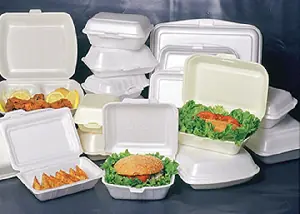
The ban will cover the production, importation, distribution, sale and use of expanded polystyrene foam products for both commercial and domestic purposes. Styrofoam is commonly used in Ghana for takeaway food packs, disposable cups, plates and other food containers.
Businesses that continue to hold or use the products after the deadline could face enforcement action, as the authority seeks to reduce the environmental damage associated with disposable foam packaging.
Ghana produces more than 3,000 tonnes of plastic waste each day, according to estimates from the World Bank. Less than half of that waste is collected, while only about 9.5 per cent is recycled.
Those figures cover plastic waste generally and are not specific to Styrofoam, but they underline the wider waste-management pressures facing the country.
Concerns over pollution in Savannah Region
Officials in the Savannah Region have warned that plastic pollution is damaging the environment and affecting animals and aquatic life.
The Savannah Regional EPA Director said waste pollution was also having an impact on major tourist attractions, including Mole National Park. The concerns include potential consequences for wildlife conservation and tourism in the region.
The Savannah Regional Minister has asked traditional and religious leaders to increase public education in their communities and congregations. They have been urged to explain the forthcoming restrictions and encourage residents to make the necessary changes before enforcement begins.
Under the planned rules, expanded polystyrene foam products made for commercial or domestic use will be prohibited from January 1, 2027.
Items produced solely for medical, scientific, laboratory and diagnostic purposes will be exempt, although they will remain subject to regulatory control.
The Ghana Police Service is expected to assist the EPA with enforcement once the ban is fully implemented. Whistleblowers and members of the public will be able to help identify alleged offenders, who may then face arrest and prosecution.
The EPA’s warning gives traders, manufacturers and food vendors limited time to replace disposable foam products and secure alternative packaging. Consumers will also need to adjust to changes in the containers used for takeaway food before the new restrictions take effect.

COMMENTS