
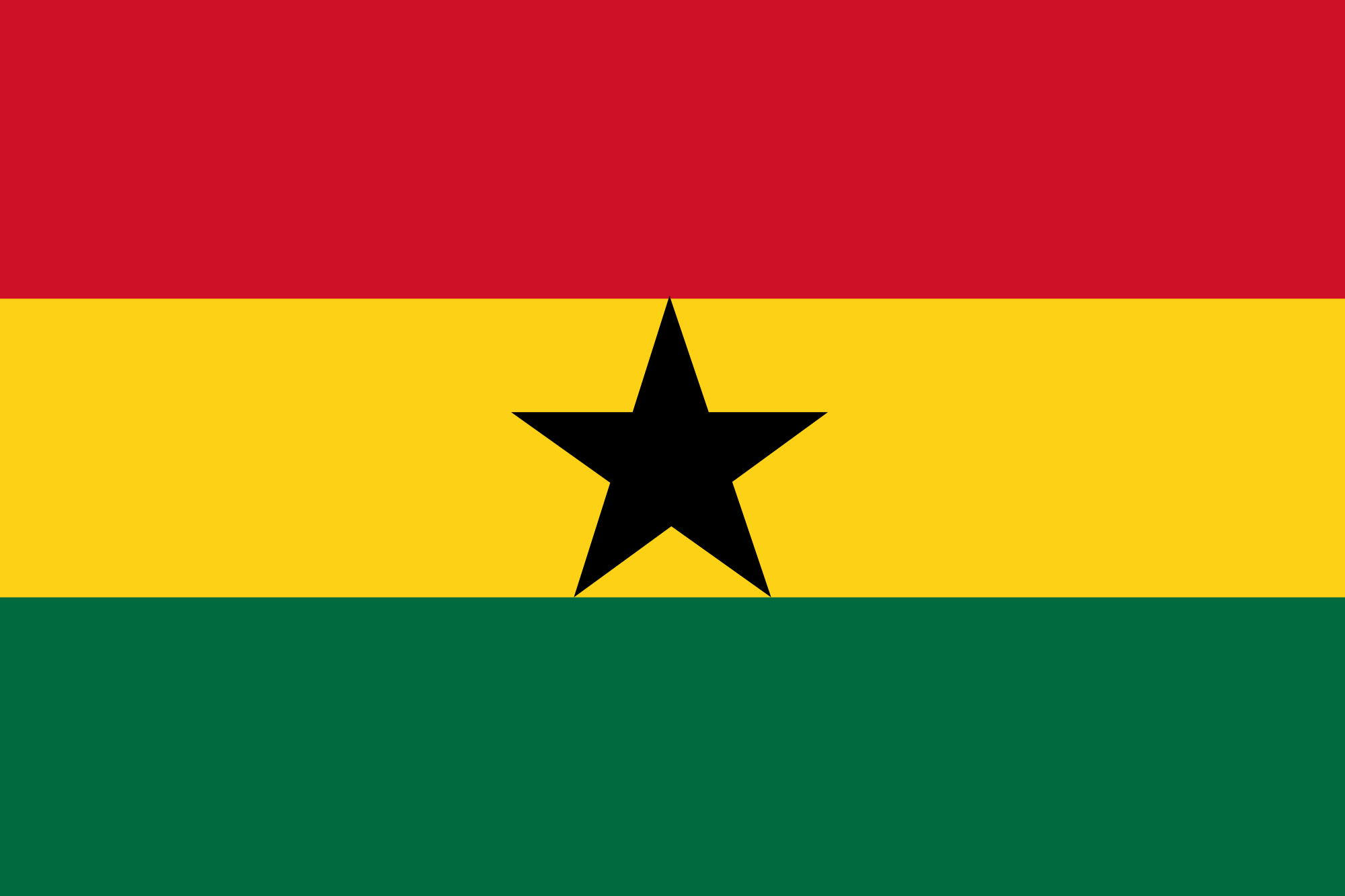
Ghana is a country of vibrant culture, rich natural resources, and an inspiring history of independence and democracy. But perhaps its great
Ghana is a country of vibrant culture, rich natural resources, and an inspiring history of independence and democracy. But perhaps its greatest resource is its youthful population. More than half of Ghana’s population is under the age of 25, a powerful demographic that represents energy, creativity, and the potential to transform the nation. Yet, despite this promise, many Ghanaian youths face a reality that falls far short of what they deserve.
The Promise and the Reality
Ghanaian youths are not lazy or unambitious. On the contrary, they are eager to work, to create, and to lead. Across the country, young people are starting small businesses, volunteering in their communities, excelling in universities, and pushing boundaries in art, technology, and sports. However, the structures meant to support them often fail to keep pace with their energy and vision.
Youth unemployment and underemployment remain pressing issues. According to the Ghana Statistical Service, thousands of young graduates enter the job market each year, only to find limited opportunities. Many resort to informal jobs that offer little security or future prospects. This reality is discouraging, and it drives frustration, migration, and disillusionment.
Education Needs Reform, Not Just Access
The introduction of Free Senior High School (SHS) has increased access to education, a commendable step. But access alone is not enough. Ghana’s education system must be reformed to prioritise critical thinking, entrepreneurship, digital literacy, and technical skills that align with today’s economy. Too many young people graduate without the tools they need to succeed in real-world careers.
Entrepreneurship with Barriers
Many youths turn to entrepreneurship not by choice, but by necessity. While this spirit is admirable, it is often stifled by a lack of access to startup capital, business training, and market opportunities. Government programs like NEIP and YouStart are steps in the right direction, but more needs to be done to ensure these initiatives are sustainable, transparent, and far-reaching.
Youth Voices in Governance
In a thriving democracy like Ghana’s, youth should have a strong voice in policy-making. While platforms for civic engagement exist, young people often feel sidelined or unheard. Movements such as #FixTheCountry have shown that the youth are not apathetic—they care deeply about the state of the nation and demand accountability, fairness, and opportunity.
The Way Forward
If Ghana is to achieve sustainable development and economic transformation, it must take bold steps to invest in its youth. This includes:
Expanding and modernising education to match job market needs.
Creating jobs through industrialisation, digitisation, and support for small and medium enterprises.
Improving access to finance and mentorship for young entrepreneurs.
Ensuring youth participation in governance and development planning.
Promoting mental health support, social inclusion, and innovation hubs across the country.
Conclusion
Ghanaian youths deserve better, not out of pity, but out of recognition of their value and contribution to national growth. The youth are not a problem to be solved; they are the solution to many of Ghana’s challenges. It’s time for policies, institutions, and leadership to match the ambition of our youth. A Ghana that prioritises its young people is a Ghana destined for greatness.
By Boaitey Kwasi Dickson
Juaben Constituency Youth Organiser, NPP

COMMENTS