
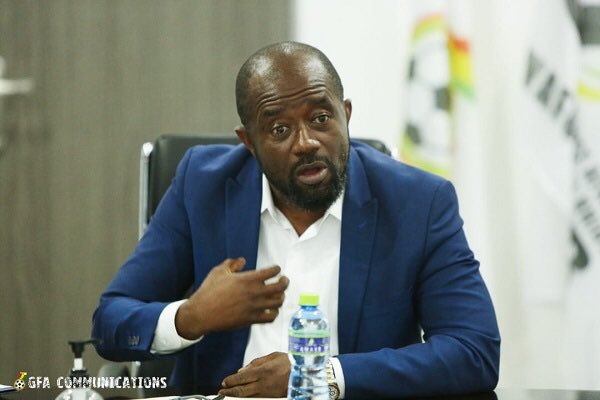
Ghana Football Association (GFA) President Kurt Okraku has launched a strong defence of his administration, insisting that the true assessment of his
Ghana Football Association (GFA) President Kurt Okraku has launched a strong defence of his administration, insisting that the true assessment of his contribution to Ghana football will come after he leaves office.
Okraku says he is not overly concerned by the criticism that has accompanied his tenure, arguing that football administrators are often judged differently while they are in office compared with the period after their departure.
Speaking to 3Sports, the GFA president said his immediate responsibility is to continue playing his part and leave behind achievements that will eventually be recognised by Ghanaians.
“My job is also to play my part. I will say that when I am gone, just like Kwame Nkrumah, people will appreciate,” Okraku said.
“And people will not only appreciate but people will remember the good things that we did for Ghana football.”
His comments come amid continued debate surrounding his leadership of the GFA and the direction of Ghana football under his administration.
Rather than dismissing the criticism, however, Okraku said he believes constructive criticism is necessary for the development of the game. He maintained that people have every right to express their views about the administration as long as their interventions are aimed at improving Ghana football.
“It’s okay for people to speak their minds. Like I said at the Congress in Kumasi, I love people who are not only critical but constructive,” he said.
Okraku stressed that criticism is not unique to his administration, arguing that previous GFA leaders also faced intense scrutiny during their periods in office.
He cited Kofi Amoah, who served as president of the GFA’s Normalisation Committee, as one of the leaders who experienced fierce criticism while overseeing Ghana football.
He also pointed to former GFA president Kwesi Nyantakyi, who similarly faced criticism despite overseeing some significant achievements for the country.
According to Okraku, Nyantakyi’s tenure ultimately produced major milestones, including Ghana’s participation at the FIFA World Cup and an appearance in the Africa Cup of Nations final.
“President Kwesi Nyantakyi, same. At the end he took Ghana to the World Cup, he took Ghana to the finals of the AFCON, he did his part and my job is also to play my part,” he said.
Okraku’s argument is that football leadership should not be assessed solely through the criticism generated during an administration. Instead, he believes the lasting impact of policies, programmes and achievements should form part of the historical judgement of any GFA president.
His remarks effectively shift the debate from what critics are saying about his administration today to what he believes will remain of his tenure once he is no longer in charge of Ghana football.The GFA president has consequently made it clear that he intends to remain focused on his responsibilities rather than allowing criticism to determine his approach to leadership.

COMMENTS