
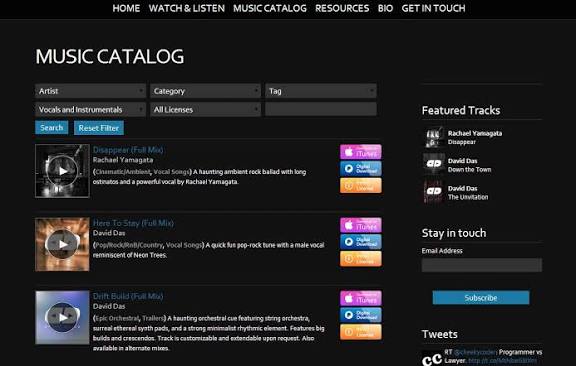
The sale of music catalogues, a long-standing practice in the global entertainment industry, has now hit the Ghanaian music scene with profound implic
The sale of music catalogues, a long-standing practice in the global entertainment industry, has now hit the Ghanaian music scene with profound implications.
Increasingly, foreign companies—particularly Chinese firms—are acquiring ownership of some of Ghana’s most valuable musical works, raising questions about cultural preservation, artistic independence, and national identity.
The Global Catalogue Market
Across the world, artists have traded their music rights for upfront financial security.
International icons like Taylor Swift, Rihanna, Bob Dylan, and Dr. Dre have all taken different paths—some fighting to regain control of their masters, others cashing in for hundreds of millions of dollars.
What these choices highlight is the enormous financial and cultural weight of music ownership.
But while the debate abroad is mature, in Africa—and Ghana in particular—it is only just beginning.
With Afrobeats and Ghanaian sounds capturing global attention, catalogue buyers have turned their sights on the continent’s creative riches.
Shatta Wale’s Sale And Its Ripple Effect
In Ghana, the conversation intensified after Shatta Wale, one of the nation’s most commercially successful yet polarising artists, sold his catalogue.
His decision sent ripples through the music community, reinforcing that even household names are not immune to the allure of large, upfront deals.
For many musicians, particularly those from disadvantaged backgrounds, catalogue sales present life-changing opportunities.
Yet, beneath the surface lies a risk—loss of control over one’s own creative legacy.
The Kumerica Example: From Boom To Bust
Perhaps no story illustrates this dilemma better than Kumerica, the cultural movement from Kumasi that fused Ghanaian life with American hip-hop swagger.
At its peak, Kumerican drill captured the world’s imagination, giving rise to stars and putting Kumasi on the global music map.
But the momentum stalled when several pioneers sold their catalogues to international buyers.
Deprived of creative control and financial leverage, the movement’s energy fizzled out. What began as a cultural revolution has been muted, its original voice struggling to be heard.
Beijing’s Growing Grip On Sound
Recent investigations reveal that Chinese companies are quietly and systematically acquiring Ghanaian music rights. What started as isolated deals has turned into a trend. Songs born in Madina, nurtured in Kumasi, and celebrated in Accra nightlife now belong to corporations in Beijing and Shanghai.
This shift is not just financial—it is symbolic. Music, once used to fuel Ghana’s independence struggle and articulate the nation’s stories, is increasingly being funnelled into foreign boardrooms. Ghanaians may dance to the rhythms, but the royalties are collected thousands of miles away.
Who Owns Ghana’s Cultural Narrative?
The concern is not simply about lost revenue. Music in Ghana, as in much of Africa, is more than entertainment—it is oral history, protest, celebration, and ritual. To sell catalogues without protective guardrails risks mortgaging an essential part of national identity.
As Nigerian superstar Wizkid has repeatedly stressed, African artists must retain ownership of their masters.
To do otherwise risks eroding agency and leaving future generations disconnected from their musical heritage.
Calls for Policy Intervention
Stakeholders argue that while artists should remain free to make decisions about their work, the state and industry regulators cannot remain passive.
Bodies like Ghamro, MUSIGA, and the Ministry of Tourism, Arts and Culture are being urged to:
Develop legal frameworks to regulate catalogue sales.
Provide legal education for young artists to understand long-term implications.
Establish national archives for culturally significant works.
Encourage local investors to buy catalogues and retain ownership within Ghana.
Without such measures, Ghana risks a scenario where royalties due to Ghanaian musicians are instead diverted to Chinese tech companies and multinational investors.
Music as a Natural Resource
Experts likening music to gold and cocoa—valuable resources born from Ghana’s soil and spirit. Just as the country guards its natural wealth, it must treat music as a national asset requiring careful management.
Selling catalogues may provide quick financial relief for artists, but once rights are gone, they are difficult—if not impossible—to reclaim.
For Ghana, the bigger issue is cultural: who controls the narrative, and who profits from telling the nation’s stories through music?
The growing foreign grip on Ghana’s soundscape suggests that, unless urgent steps are taken, the answer to that question may increasingly lie outside the country’s borders.

COMMENTS