
Health authorities in the Ayensuano District of the Eastern Region have raised alarm after data from routine antenatal and facility-based testing reve
Health authorities in the Ayensuano District of the Eastern Region have raised alarm after data from routine antenatal and facility-based testing revealed a worrying number of HIV infections among pregnant women in 2025, rekindling concerns about mother-to-child transmission and the broader HIV burden in the district.
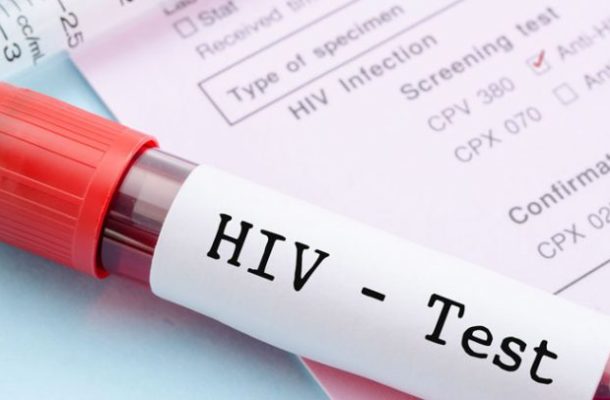
Between January and October this year, a total of 30 expectant mothers tested positive for HIV out of 1,571 pregnant women screened, translating into a prevalence rate of 1.9 per cent — a figure district health officials describe as unacceptably high given years of public education and prevention interventions.
The revelation was made by the District Director of Health Services, Francis Kwoutua Apungu, during a community engagement at Kyekyewere to commemorate World AIDS Day 2025.
He explained that the figures mean that, statistically, about two out of every 100 pregnant women tested in the district are likely to be HIV positive, a situation that poses serious risks to unborn children if not properly managed through timely treatment and care.
He stressed that preventing mother-to-child transmission remains one of the most critical fronts in the HIV response.
Beyond pregnant women, the district’s overall HIV situation also presents significant challenges.
According to Apungu, 1,339 people from the general population — both males and females — were tested across various health facilities within the same ten-month period.
Out of this number, 46 people tested positive, comprising 13 males and 33 females, representing a positivity rate of 3.4 per cent.
In practical terms, health officials estimate that three to four out of every 100 people tested in the district could be HIV positive.
Altogether, Ayensuano recorded 76 HIV-positive cases from a total of 2,910 people tested between January and October 2025, a trend that health managers say demands urgent collective action.
Currently, about 628 people are known to be living with HIV in the district, yet only around 250 of them are actively receiving antiretroviral therapy (ART), raising concerns about treatment coverage, adherence, and long-term health outcomes.
Placing the situation in a broader context, Apungu noted that this year’s World AIDS Day theme, “Overcoming Disruptions, Transforming the AIDS Response,” reflects the realities confronting local health systems, including funding shortfalls, service interruptions and persistent stigma.
He reaffirmed the district’s commitment to the global UNAIDS 95-95-95 targets, which seek to ensure that 95 per cent of people living with HIV know their status, 95 per cent of those diagnosed are on sustained treatment, and 95 per cent of those on treatment achieve viral suppression.
Apungu also called for stronger collaboration with traditional authorities, opinion leaders and civil society actors to address stigma and discrimination, which continue to discourage people from testing and seeking care.
Supporting the call, the Chief of Kyekyewere, Barima Okunini Gyebi Ababio, urged residents to make HIV testing a routine health practice, emphasizing that early detection and consistent treatment can significantly prolong life.

COMMENTS