
Ghana is in mourning state following the death of legendary highlife musician Charles Kwadwo Fosu, popularly known as Daddy Lumba, whose passing on Ju
Ghana is in mourning state following the death of legendary highlife musician Charles Kwadwo Fosu, popularly known as Daddy Lumba, whose passing on July 26, 2025, has sparked an outpouring of grief and tributes from across the political spectrum.
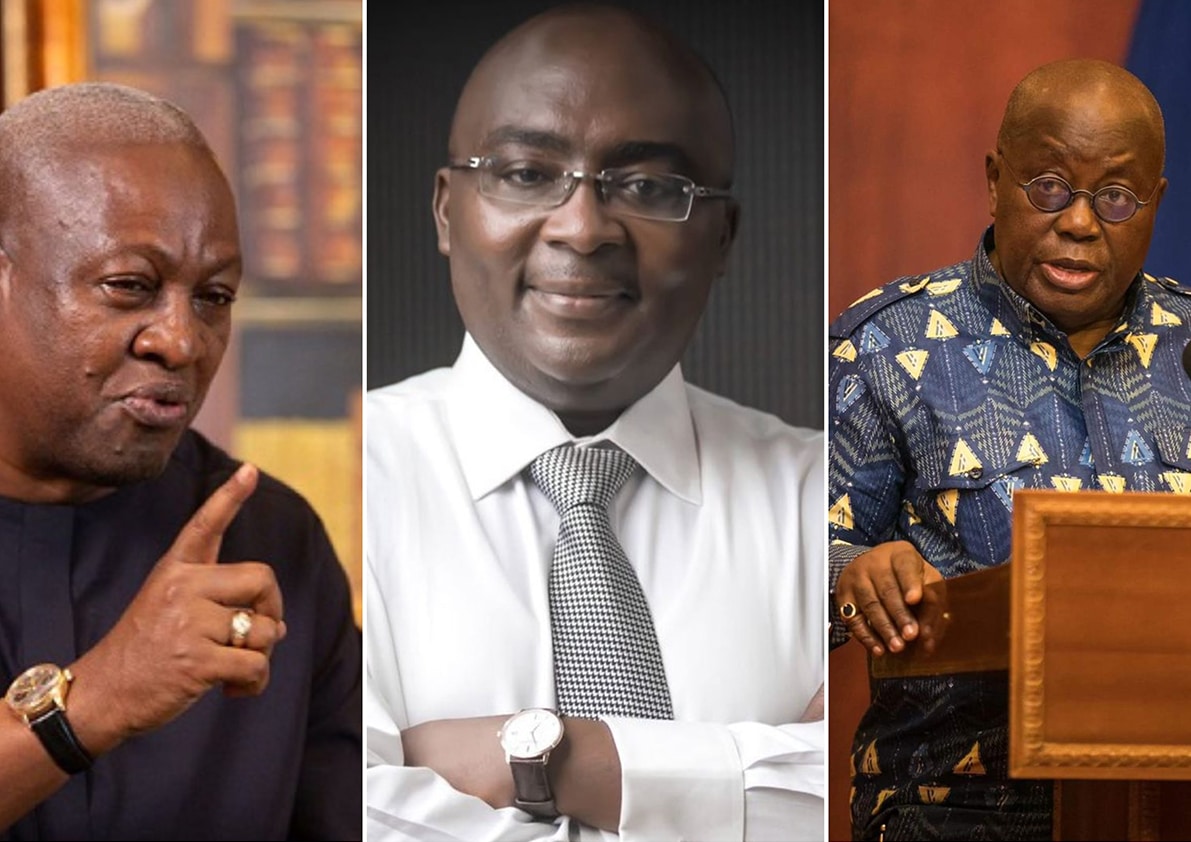
Prominent national leaders including President John Dramani Mahama, former President Nana Addo Dankwa Akufo-Addo, and former Vice President Dr. Mahamudu Bawumia have each paid glowing tributes to the music icon, recognizing not just his musical genius but also his cultural, social, and political significance.
President Mahama, in a solemn statement, described Lumba’s death as a “deep sorrow,” noting that his artistry was a lifeline through generations of Ghanaian life.
“Lumba’s unmatched musical genius provided the soundtrack to our lives, carrying us through various phases of life,” the President said, adding that while his beats may have fallen silent, “his enduring legacy will echo through the ages.”
Mahama, who is currently serving his second non-consecutive term in office, extended official condolences on behalf of the Government of Ghana to the bereaved family, fans, and music community.

Former President Akufo-Addo, whose relationship with Daddy Lumba went beyond admiration and into collaboration, issued a deeply personal tribute. He hailed Lumba as “a pantheon among musical greats” and a “dear friend,” recalling the pivotal role the artist played in shaping political narratives through music.
Akufo-Addo emphasized that Lumba’s influence was particularly prominent during the 2012 and 2016 election campaigns, when the musician composed the politically charged anthem “Nana, Nana Oye Winner” in support of the New Patriotic Party (NPP).
The song became an instant hit and rallying cry for party supporters, contributing to the energy of the NPP’s campaign trail.
“His hit-making songs will remain lasting contributions to my presidential journey and will forever be etched in the annals of political campaign of the New Patriotic Party,” Akufo-Addo stated.
He recalled the emotional solace and motivation Lumba’s music provided during his presidential ambitions, and closed his tribute with a heartfelt prayer: “May he peacefully rest in the Bosom of the Almighty until the Last Day of the Resurrection, when we shall all meet again.”

Meanwhile, Dr. Mahamudu Bawumia, former Vice President and flagbearer of the NPP in the 2024 general elections, also expressed his grief in a heartfelt tribute.
Describing the loss as a “national tragedy,” Bawumia praised Daddy Lumba’s impact on Ghana’s musical heritage and cultural identity.
“His brilliant compositions and works have not only entertained but also inspired and uplifted many of us,” Bawumia said.
Tracing his humble beginnings from Nsuta-Amangoase in the Ashanti Region, Bawumia highlighted the arc of Lumba’s extraordinary career—from his early days with Nana Acheampong in the Lumba Brothers to his solo breakthrough in 1989 with the album “Yereye Aka Akwantuo Mu.”
That debut marked the beginning of a three-decade-long career that saw Daddy Lumba become one of Ghana’s most prolific musicians, producing classic hits like “Aben Wo Ha,” “Sika Asem,” “Dangerous,” and “Theresa.”
“His passing is indeed a huge blow, not only to the music fraternity but to the entire country,” Bawumia said, acknowledging Lumba’s multidimensional legacy as a mentor, songwriter, and producer. His wife, Samira Bawumia, joined him in extending condolences to the grieving family and fans, adding: “LEGEND, REST WELL.”

Beyond politics, Daddy Lumba’s musical voice became a common thread that wove through nearly every significant life event in Ghana—his songs playing at weddings, funerals, rallies, and national events alike.
His unique blend of highlife, gospel, and social commentary earned him a rare status as both a superstar and a chronicler of the Ghanaian experience.
Daddy Lumba’s death leaves a vacuum in the Ghanaian cultural space, but his legacy lives on—in the lyrics that comforted hearts, the melodies that stirred patriotism, and the indelible mark he left on generations of music lovers.

COMMENTS