
Malawi is celebrating the British Empire as a liberator rather than an oppressor, bucking the push across Africa and the Caribbean for slavery reparat
Malawi is celebrating the British Empire as a liberator rather than an oppressor, bucking the push across Africa and the Caribbean for slavery reparations from Britain.
The government is overseeing plans for a slavery museum and the preservation of mosques and markets linked to the trade, hoping to have them recognised as World Heritage sites and so signal the issue to the international community.
Its museums department will also conserve ruined forts that British forces built to shield Africans from slave raiders.
Moses Mkumpha, who works on the government-backed preservation project, said Britain “was not a coloniser; it was a liberator”, adding that Malawi owes the end of its slave trade to the British.
He argued that the Atlantic trade dominates attention while the role of Oman’s sultanate is overlooked.
Dr Oris Malijani, the project leader, said slavery in East and Central Africa is almost forgotten and the world must be told.
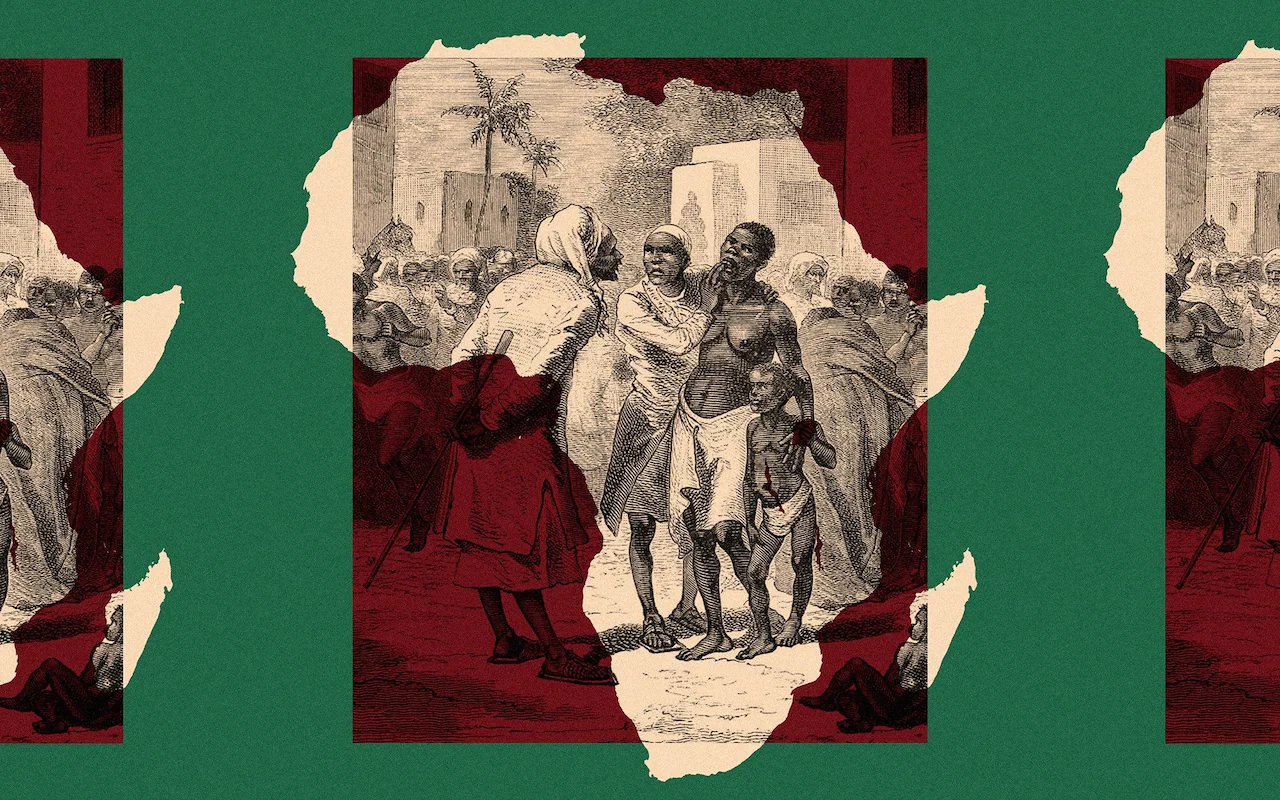
The Telegraph says Malawians were seized by rival groups and sold into the Arab world as part of a 1,200-year trade often overshadowed by the Atlantic one. From the 1840s, vessels called at Nkhotakota on Lake Malawi, where captives were held in stockades before being shipped out by Arabian sultanates.
David Livingstone, who saw it first-hand, condemned it in the harshest terms. The Institute of Commonwealth Studies estimates that about 11 million people were taken from Africa’s interior to the Arab world between roughly 800 and 1900, with more women than men taken.
Prompted by Livingstone and later missionaries, Britain intervened. It declared a protectorate in 1891 under Harry Johnston, who used troops and gunboats to break up slaving networks.
The powerful Jumbe dynasty of slavers fell in 1894, and the self-declared sultan Mlozi was defeated and executed the following year.
In 1896 Britain forced the Sultan of Zanzibar to abandon slave-trading after a war lasting 45 minutes. Fort Johnston (now the town of Mangochi), Fort Lister and Fort Mangochi will form part of a planned slave heritage route submitted for UNESCO status.
Malawi also intends to stress that Africans themselves took part. Dr Malijani noted that slavery did not begin at the coast but inland, where communities were raided.
In the territory that became Malawi, Islamised Yao leaders typically enslaved Chewa people. At Nkhotakota, a crumbling 19th-century mosque stands beside the former slaving outpost of Salim bin Abdallah, known as Jumbe, who sent around 20,000 captives to the coast each year.
Officials plan to excavate a former slave pen nearby, and sites in Karonga, Phalombe and Mangochi will also feature. Nkhotakota will host the museum. Dr Malijani says these inland dimensions lack international awareness.
The timing is notable. The King recently called the transatlantic trade a shameful chapter at a Commonwealth summit; some reports put the compensation owed at £20 trillion, and Prime Minister Andy Burnham has offered talks on an apology, investment and debt relief.
Malawian officials have noted and hope Britain will help conserve the sites through funding, technical expertise and university research partnerships. They also expect the project to draw tourists and income to communities once ravaged by the trade.

COMMENTS