
Morocco’s Gen Z protests erupted in late September 2025, demanding urgent investment in public hospitals and exposing deep frustrations over inequalit
Morocco’s Gen Z protests erupted in late September 2025, demanding urgent investment in public hospitals and exposing deep frustrations over inequality, corruption, and misplaced government priorities. The movement, led by youth collectives like GenZ 212, has shaken the nation.
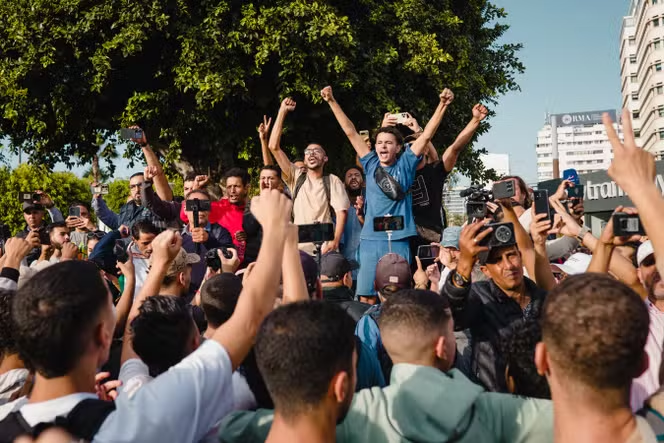
In recent weeks, Morocco has witnessed one of its most significant youth-led uprisings in years. Sparked by the deaths of eight pregnant women at a public hospital in Agadir, the protests quickly spread across more than 15 cities, including Rabat, Casablanca, Marrakesh, and Tangier.
The tragedy revealed systemic failures in Morocco’s healthcare system, where understaffing, outdated equipment, and poor oversight have long plagued public hospitals.
Protesters, many of them teenagers and young adults, took to the streets chanting slogans like “We want hospitals, not stadiums”, highlighting their anger at the government’s multibillion-dollar investments in football infrastructure while basic health services remain neglected.
The Gen Z movement, known as GenZ 212, is a decentralised, leaderless collective that organises through platforms like TikTok, Discord, and Instagram.
Unlike previous protests led by unions or political parties, this uprising is digitally native and fiercely independent. Members coordinate demonstrations, share testimonies, and livestream events, creating viral content that has drawn international attention.
Their demands go beyond healthcare: they call for reforms in education, employment opportunities, and an end to corruption. With youth unemployment hovering around 35.8%, many young Moroccans feel excluded from the country’s economic progress.
The contrast between Morocco’s gleaming infrastructure projects and its crumbling public services has become a focal point of the protests.
The government is spending over $5 billion on stadiums for the 2025 Africa Cup of Nations and the 2030 FIFA World Cup, yet the country has only 7.7 doctors per 10,000 people, far below the World Health Organisation’s recommended 25.
In Agadir, the ratio drops to just 4.4, underscoring the neglect of rural and semi-urban areas. Protesters argue that these investments benefit elites and tourists, while ordinary citizens suffer from inadequate healthcare and education.
Authorities have responded with force, arresting over 400 protesters, many of them minors, and deploying riot police across major cities.
Human rights groups have condemned the crackdown, citing excessive violence and arbitrary detentions. Despite the repression, the movement continues to grow, fueled by personal stories of medical neglect and social injustice.
Videos circulating online show patients sleeping on hospital floors, leaking pipes, and unsanitary conditions. These images have galvanised public support and intensified calls for reform.
The Moroccan government has acknowledged the protests and expressed willingness to engage in dialogue.
Health Minister Amine Tahraoui visited the Agadir hospital and dismissed its director, but protesters remain sceptical, viewing the gesture as symbolic rather than substantive.
With parliamentary elections looming in 2026, the Gen Z uprising signals a generational shift in Moroccan politics. These young activists are not just demanding better hospitals—they are challenging the very foundations of governance and accountability in the kingdom.
Many football fans across Africa are worried about the protest because the 2025 AFCON is less than three months before kick-off.

COMMENTS