
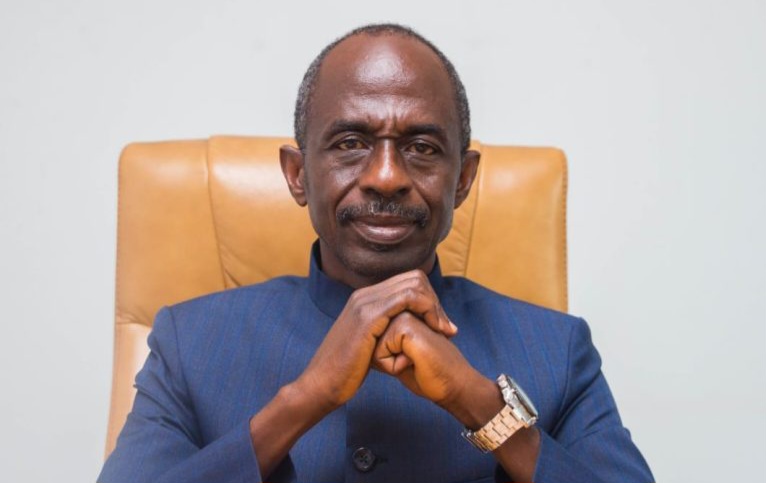
The National Democratic Congress (NDC) is on the brink of a major internal restructuring as the party leadership prepares to issue a directive requiri
The National Democratic Congress (NDC) is on the brink of a major internal restructuring as the party leadership prepares to issue a directive requiring all government appointees who also hold party positions to resign from their roles within the party.
The decision, expected to be formalized in the coming days, is aimed at ending the longstanding overlap between political office and public administration — a practice critics say has diluted party accountability and caused internal fractures.
The initiative, according to highly placed sources within the party, has received overwhelming endorsement from the NDC’s Political Committee, the Functional Executive Committee (FEC), and the Council of Elders.
Party insiders say the move is meant to reassert the independence of the party structure from government influence and to restore fairness in internal decision-making.
Growing Discontent After 2024 Elections
This strategic to overhaul comes in the wake of growing disaffection among some party grassroots and Regional Chairmen, who say they were left out of key appointment discussions following the NDC’s return to power after the 2024 elections.
At a recent meeting held at the Jubilee House, several Regional Chairmen raised concerns about their exclusion from the selection of ministers and board members and demanded an urgent National Executive Committee (NEC) meeting to chart a new course.
For many of these regional heads, the upcoming directive represents a long-overdue effort to address blurred lines between the executive authority and party machinery.
But it’s also stirring resistance from senior party members who now risk being stripped of one of their dual positions.
Power Struggles
Several high-ranking NDC officials currently occupy both government and party roles — including membership on state boards and national committees — and could be directly affected by the enforcement of the new directive.
Some of these individuals fear that relinquishing their party roles could leave them politically vulnerable and isolated within the government if future reshuffles or dismissals occur.
“There’s panic across the ranks,” one national executive who also serves on a major government board confided. “If you give up your party post and later lose your government role, you’re out in the cold. No influence, no base — nothing.”
A party appointee from the Upper West Region described the move as “self-serving” and warned it could erode party unity ahead of the next congress.
“If we’re being asked to step down from party roles, then those holding board positions should also resign, referencing National Chairman, Johnson Asiedu Nketiah, who chairs Board of Ghana Ports and Harbours Authority. Otherwise, it will be seen as an agenda to sideline certain individuals ahead of internal elections,” he argued.
He further called for the party to consider holding an early congress so that fresh leadership can be elected by the grassroots to resolve the impasse.
The NPP Comparison and Calls for Consistency
Opponents of the policy are pointing fingers at the governing style of the New Patriotic Party (NPP), which, under previous administrations, allowed senior figures to simultaneously serve in party and government roles.
Former NPP National Youth Organizer Nana Boakye, for instance, held both party and public office roles — including a stint as Deputy Director of the National Service Scheme — without facing internal backlash.

COMMENTS