

The simmering chieftaincy tensions in Sampa in the Bono Region have escalated into a national concern, drawing rare and pointed criticism from the Asa
The simmering chieftaincy tensions in Sampa in the Bono Region have escalated into a national concern, drawing rare and pointed criticism from the Asantehene, Otumfuo Osei Tutu II, who has openly accused key government officials of interfering in traditional authority and undermining judicial decisions.
His remarks, delivered during a recent Asanteman Council meeting over the weekend, signal growing frustration within traditional leadership over what is perceived as political intrusion into sensitive customary matters.
Chieftaincy disputes have long been a persistent source of instability in Ghana, with flashpoints such as Bawku and other areas highlighting how unresolved succession issues can evolve into security threats.Analysts and traditional authorities have repeatedly warned that political interference—particularly by those in power—often deepens these conflicts rather than resolves them.
The Sampa case appears to follow this troubling pattern, with allegations that state actors have taken sides despite clear rulings from both customary and judicial processes.
At the heart of the Sampa dispute is a protracted contest over rightful authority, in which court decisions and traditional arbitration are said to have affirmed Nana Samgba Gyafla II as the legitimate chief.
However, the continued recognition and activities of a rival claimant have fueled tensions on the ground, raising concerns about enforcement of rulings and respect for established authority.
The situation has reportedly created a volatile environment, placing additional pressure on security agencies tasked with maintaining peace.
Addressing the issue, Otumfuo issued a stern warning to government appointees, including the Interior Minister, Muntaka Mohammed Mubarak, the Minister for Chieftaincy and Religious Affairs, Ahmed Ibrahim, and the Bono Regional Minister, Joseph Addae Akwaboa.


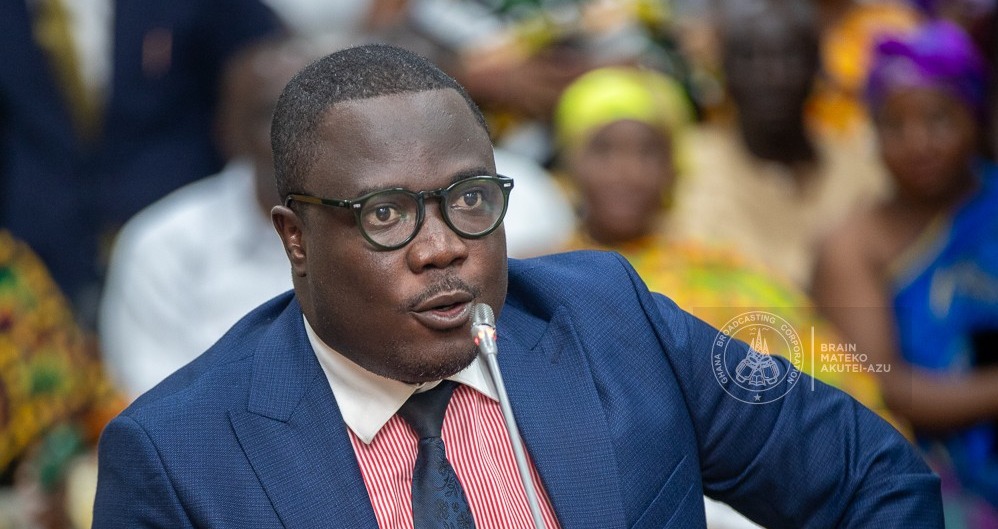
He also pointed accusing fingers at the Bono Regional Police Commander in meddling in the chieftaincy dispute in Sampa.
Otumfuo indicted them of using their political authority to influence the outcome of the dispute, cautioning that “power is transient” and should not be used to override tradition or due process.
The Asantehene further alleged that actions by some officials have directly contradicted court rulings, effectively emboldening individuals whose claims to the stool have been dismissed.
Particularly troubling, according to sources within the traditional council, are claims that administrative and security decisions have favored the rival faction, creating perceptions of bias and weakening public confidence in state neutrality.
Concerns were also raised about the role of security agencies, especially the regional police command, which has been accused of acting under political pressure.
This, in turn, risks escalating tensions rather than diffusing them.
Otumfuo’s unusually blunt intervention is being interpreted as a sign that quiet, behind-the-scenes engagements have failed to yield results.Traditionally, such matters are handled discreetly through dialogue between state and customary authorities.
However, his decision to publicly name officials underscores the gravity of the situation and the perceived urgency to safeguard the integrity of chieftaincy institutions.

COMMENTS