
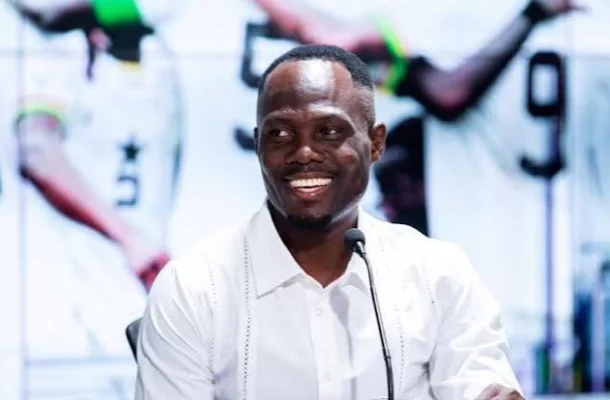
Former Ghana international Emmanuel Agyemang-Badu has warned that the poor state of football infrastructure is undermining the appeal of the domestic
Former Ghana international Emmanuel Agyemang-Badu has warned that the poor state of football infrastructure is undermining the appeal of the domestic game, adding to growing calls for investment in stadiums and playing pitches across the country.
The former Accra Great Olympics midfielder believes the condition of football facilities remains a major obstacle to improving the standard and attractiveness of the game in Ghana.
“The poor infrastructure is making our football less attractive,” he told Ahenfie FM.
His comments add to concerns expressed by coaches and former players about the quality of pitches used in the Ghana Premier League, where playing surfaces have repeatedly come under scrutiny.
Hearts of Oak head coach Nebojsa Kapor has also identified the lack of quality playing surfaces as one of the challenges facing Ghanaian football.
The Serbian coach’s concerns reflect a wider debate about whether the condition of pitches is affecting the quality of matches, player performance and the overall experience for supporters.
Former Asante Kotoko coach Eric Tinkler also criticised the state of football infrastructure in Ghana before leaving the club, adding to calls for improvements across the domestic game.
For clubs, players and coaches, suitable facilities are essential not only for competitive matches but also for training, player development and reducing the risks associated with poor playing surfaces.
Ghana’s infrastructure challenges extend beyond the domestic league, with the availability of stadiums that meet international requirements also a concern.
The Accra Sports Stadium has been identified as the only venue in the country approved to host matches under Confederation of African Football (CAF) and FIFA requirements, according to the information provided.
A limited number of approved venues can make it more difficult to host international fixtures and major competitions, while placing greater pressure on the facilities available.
Improving stadiums, training grounds and playing pitches could help Ghana strengthen its domestic league, support the development of young players and create a more attractive matchday experience for supporters.
Agyemang-Badu’s comments add to the growing calls for football authorities and other stakeholders to address the condition of the country’s facilities, with the quality of infrastructure increasingly central to discussions about the future of Ghanaian football.

COMMENTS