
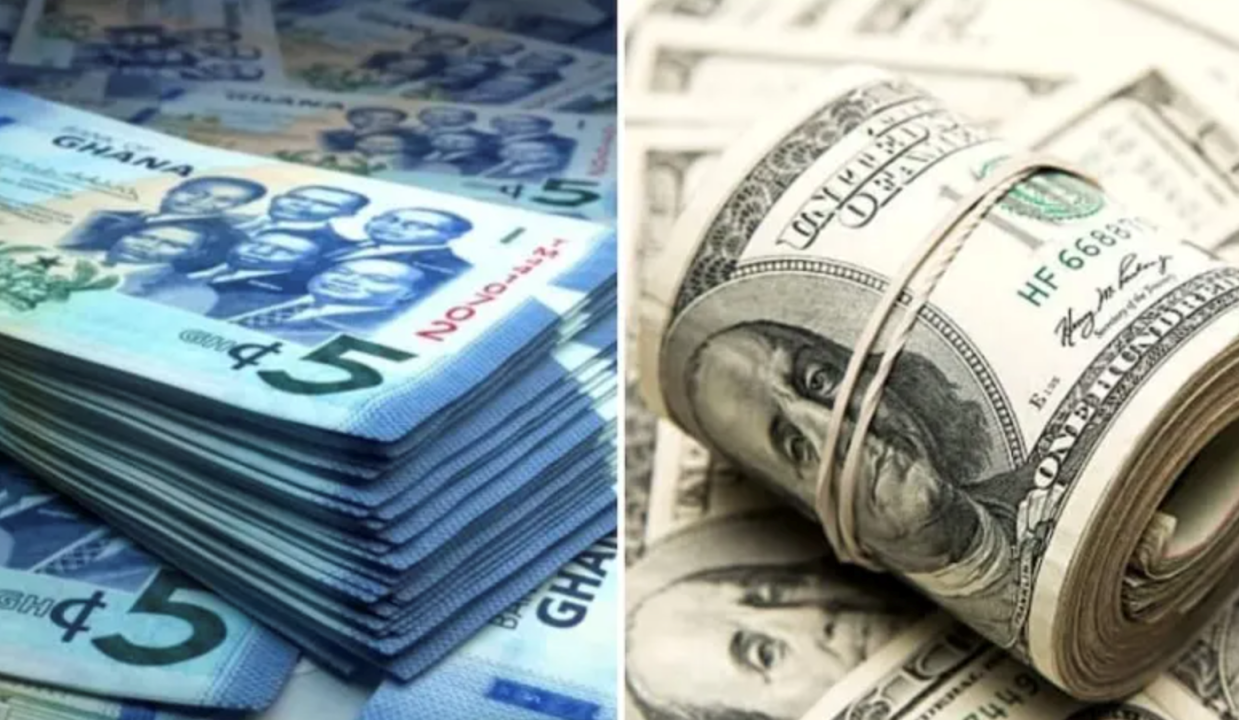
The US dollar depreciating against the Ghana cedi is unbelievable. Many are wondering how the dollar has depreciated against Ghana's ced
The US dollar depreciating against the Ghana cedi is unbelievable. Many are wondering how the dollar has depreciated against Ghana’s cedi.
Here, a political analyst and NPP Youth Organiser of the Juaben Constituency, Boaitey Kwasi Dickson, explains the reasons why the cedi has been performing extremely well against the almighty dollar in the last weeks.
The recent Depreciation of the US dollar against the Ghana currency (Cedi)
The recent depreciation of the US dollar against the Ghanaian cedi, a reversal of the previous trend where the cedi was consistently weakening, can be explained by a mix of domestic policy interventions and external factors. Here’s what accounts for the dollar losing value against the cedi in the current Ghanaian economic context:
1. IMF Program and Financial Support
Ghana secured a $3 billion IMF bailout program, with strong disbursements and structural reforms. The arrival of funds and improved fiscal discipline restored investor confidence, stabilising the cedi. This bolstered the country’s foreign reserves, allowing the Bank of Ghana to support the local currency more effectively.
2. Bank of Ghana (BoG) Interventions
The BoG has actively sold foreign currency on the interbank market to meet demand and reduce volatility. Tightened monetary policy (high interest rates) attracted capital inflows and reduced speculative demand for the dollar.
3. Positive Trade Balance and Export Earnings
Increased gold exports, cocoa production recovery, and crude oil receipts improved forex inflows. The Ghana Gold-for-Oil policy also reduced pressure on forex demand by paying in gold rather than cash.
4. Improved Fiscal Management
Implementation of expenditure cuts, tax reforms, and debt restructuring boosted macroeconomic confidence. These measures signalled fiscal responsibility, improving perceptions of Ghana’s creditworthiness.
5. Inflows from Remittances and Development Partners
A rise in remittances and donor support contributed to increased foreign exchange availability. This helped meet dollar demand in the domestic market, easing pressure on the exchange rate.
6. Reduced Speculation and Hoarding
As confidence in the cedi increased, speculation reduced, and dollar hoarding declined. Businesses and individuals started converting saved dollars back into cedis.
7. Seasonal and Temporary Factors
During certain months (e.g., cocoa season), forex inflows from export earnings naturally strengthen the cedi. If these effects are not sustained by long-term reforms, the dollar could strengthen again.
Conclusion
The recent depreciation of the US dollar against the cedi is largely driven by improved economic management, external financial support, and increased forex inflows. While this trend is positive, Ghana must focus on sustaining fiscal discipline, diversifying exports, and maintaining macroeconomic stability to ensure the cedi’s long-term resilience.
By Boaitey Kwasi Dickson
Juaben Constituency Youth Organiser, NPP

COMMENTS