
The United States government has rolled out a new immigration policy that could shut the door on thousands of Ghanaians and African professionals aspi
The United States government has rolled out a new immigration policy that could shut the door on thousands of Ghanaians and African professionals aspiring to work in America.
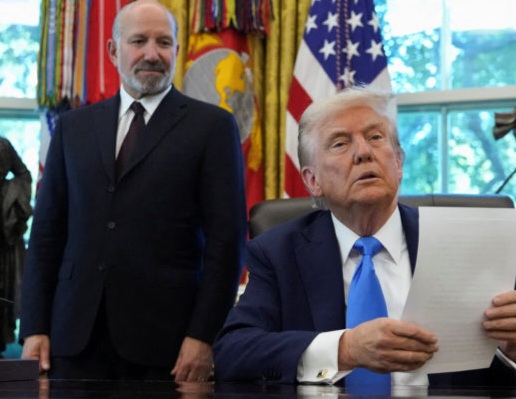
President Donald Trump has signed an executive order imposing an unprecedented $100,000 annual fee on applicants to the H-1B skilled worker visa programme, sparking outrage across business, legal, and immigrant communities.
The H-1B visa, introduced in 1990, has long been the main pathway for foreign professionals, particularly in technology, health, and finance, to take up employment in the United States.
Until now, applicants and their sponsoring companies paid around $1,500 in administrative fees. But under the new order, which takes effect from September 21, employers will now be required to pay $100,000 annually for each foreign worker they sponsor, for up to six years.
Critics argue the drastic hike will disproportionately affect smaller companies and professionals from developing countries, especially Ghana, Nigeria, Kenya, and India, where many talented workers rely on the H-1B programme to break into the American job market.
For Ghanaians, the scheme has been a lifeline, particularly in the health and IT sectors, where the US actively recruits skilled labour.
US Commerce Secretary Howard Lutnick defended the move, insisting that American employers must now carefully weigh whether a foreign worker is worth the hefty fee.
“Employers must decide if the person is valuable enough to have a $100,000-a-year payment to the government, or they should head home and hire an American,” Lutnick said.
However, immigration lawyers have warned that the order could have devastating consequences for international mobility and innovation.
“Almost everyone’s going to be priced out. This $100,000 as an entry point is going to have a devastating impact,” said US immigration attorney Tahmina Watson in an interview with the BBC.
Industry experts also fear that the burden could push even tech giants like Google, Amazon, and Microsoft—historically among the largest beneficiaries of H-1B visas—to move operations overseas to access talent more cheaply.
Smaller firms and start-ups, which often depend on affordable global talent, are expected to be the hardest hit.
For Africa, the implications are dire. The H-1B programme has provided opportunities for thousands of professionals to secure well-paying jobs abroad, sending remittances back home that support families and national economies.
Ghana alone receives billions of dollars annually in remittances from its diaspora, much of it from professionals working in the US and Europe.
Data from the US Citizenship and Immigration Services (USCIS) shows that H-1B applications had already declined to about 359,000 this year—a four-year low.
The new fee is expected to reduce the numbers even further, effectively shutting out applicants from developing economies who cannot afford the cost.
In addition to the fee hike, Trump announced a new “gold card” visa programme designed to fast-track entry for wealthy foreigners willing to pay fees starting from $1 million.
Analysts say this highlights the administration’s shift towards favouring wealthy migrants over skilled professionals, a policy direction critics argue could worsen inequality in global migration.
President Trump has previously voiced scepticism about foreign workers, claiming they “take American jobs.”
However, opponents of the policy say the new fees are not about protecting US workers but about creating barriers for migrants while opening doors to the rich.

COMMENTS