
The Jehovah’s Witnesses have announced a significant shift in their long-standing doctrine on blood transfusion, introducing new guidance that permits
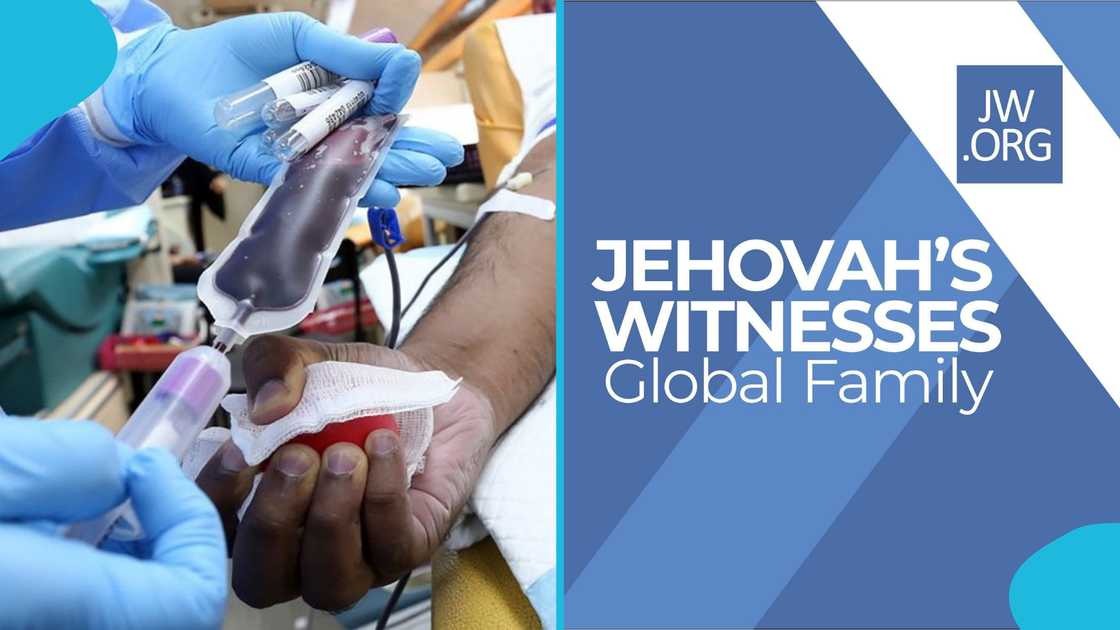
The Jehovah’s Witnesses have announced a significant shift in their long-standing doctrine on blood transfusion, introducing new guidance that permits members to use their own stored blood during certain medical procedures—marking the first notable adjustment to the policy in over seven decades.
The update, reported by BBC, allows adherents to undergo medical treatments, including surgeries, where their own blood can be drawn in advance, preserved, and later reinfused into their bodies. However, the organisation maintains its prohibition on receiving blood donated by others, a central tenet of its beliefs.
The revised position was communicated by Gerrit Lösch, who emphasised that decisions regarding the use of personal blood in medical care would now rest with individual members.
“Each Christian must decide for himself how his blood will be used in medical and surgical care,” he stated, signalling a move toward personal choice within the framework of the church’s teachings.
For decades, Jehovah’s Witnesses have been widely known for their strict refusal of blood transfusions, a stance rooted in their interpretation of biblical passages that instruct followers to abstain from blood. This doctrine has often placed members at the centre of ethical and medical debates, particularly in life-threatening situations.
A spokesperson for the group clarified that while the new guidance introduces flexibility, it does not alter the core religious belief regarding the sanctity of blood.
The organisation continues to uphold its doctrinal position, even as it adapts to evolving medical practices.
Globally, Jehovah’s Witnesses number approximately nine million adherents, including about 144,000 in the United Kingdom, making the policy change one with potentially wide-reaching implications for healthcare decisions among its members.
However, the revision has not been without criticism. Some former members argue that the update falls short of addressing the broader challenges faced by adherents who may require life-saving transfusions from external donors, particularly in emergency situations or in the treatment of serious conditions such as cancer.
The issue has also frequently surfaced in legal contexts. In a notable case in Edinburgh last year, a judge authorised doctors to administer a blood transfusion to a 14-year-old girl.

COMMENTS