
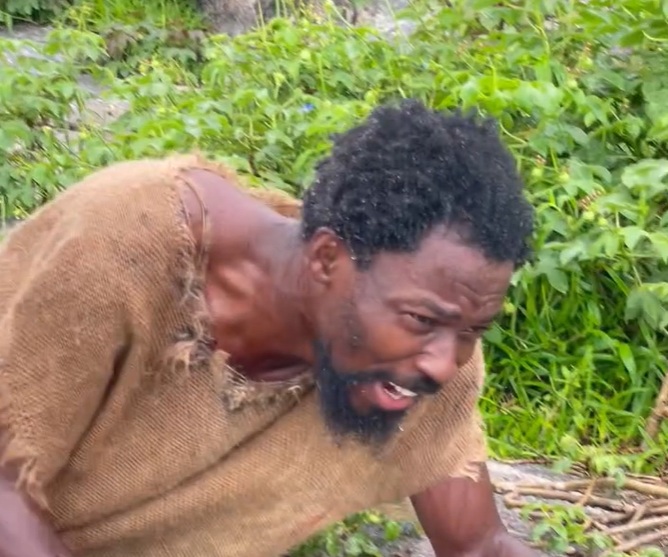
Ghanaian self-styled prophet Ebo Noah has returned to the centre of national attention following the devastating floods that submerged large parts of
Ghanaian self-styled prophet Ebo Noah has returned to the centre of national attention following the devastating floods that submerged large parts of Accra and other communities after days of heavy rainfall, insisting that the unfolding events validate the warnings he has consistently issued over the past year.
The controversial preacher, who became one of the country’s most talked-about personalities after predicting a catastrophic global flood in December 2025, has resurfaced with fresh claims that the recent flooding demonstrates that his prophecies should not have been dismissed by the public.
In a series of viral videos circulating on social media, Ebo Noah declared that “the rain will speak,” arguing that nature itself was now confirming the warnings he had earlier delivered.
According to him, many Ghanaians chose to ridicule his prophetic declarations instead of taking them as calls for preparedness and repentance.
Despite suggesting that the recent downpours support his earlier warnings, the preacher also expressed concern over the destruction caused by the floods.
In one widely shared video, while observing the flood situation, he was heard praying, “If this is the rain, Father have mercy,” as he appealed for divine intervention to protect lives and property.
The latest developments have revived public discussion surrounding Ebo Noah’s controversial “Noah’s Ark” prophecy, which dominated headlines towards the end of 2025.
At the time, the preacher claimed he had received a divine revelation that a catastrophic worldwide flood would begin on December 25, 2025.
Acting on what he described as God’s instruction, he constructed massive wooden structures in Kumasi, which he referred to as arks, and urged people to prepare for the impending disaster.
His claims attracted nationwide attention after he further asserted that the ark would miraculously expand to accommodate more than 600 million people once the flood began, drawing comparisons with the biblical account of Noah.
However, when the predicted disaster failed to occur on Christmas Day, Ebo Noah explained that the catastrophe had been postponed by God.
According to him, twenty-one days of fasting, prayer and repentance by believers around the world convinced God to delay the destruction.
His explanation did little to silence critics, with many questioning the credibility of his prophetic claims.
The controversy eventually attracted the attention of law enforcement authorities, leading to investigations into his activities.
Subsequent court proceedings generated another twist after reports indicated that Ebo Noah informed investigators that some of the structures widely promoted as arks actually belonged to local fishermen.
He reportedly admitted that portions of the widely circulated narratives had been created largely for social media attention and public engagement.
Following the collapse of the original prophecy, reports also emerged that one of the wooden structures associated with the “ark” narrative was destroyed by fire, prompting widespread speculation online.
Fact-checking organisations later sought to clarify several misleading videos and claims that surfaced during that period.
Now, months later, Ebo Noah believes the devastating floods currently affecting parts of Ghana represent proof that his warnings were not entirely misplaced.
He has continued using social media to insist that more severe rainfall could still occur while calling on the public to seek God’s mercy.
His renewed public pronouncements have, however, generated fresh criticism, particularly from award-winning Ghanaian rapper M.anifest.
Reacting to media interviews featuring Ebo Noah during the ongoing flood crisis, the musician questioned the decision by some media organisations to provide the preacher with a platform while many families were dealing with loss, displacement and emotional trauma.
Taking to social media, M.anifest urged media houses to exercise greater responsibility in their coverage of national emergencies.
“Stop amplifying the claims being made. People are experiencing tragic losses and trauma from the floods. It is irresponsible to provide a platform for misinformation during a crisis,” the rapper wrote.
His comments have resonated with many Ghanaians and media observers, who argue that attention should remain focused on rescue operations, humanitarian assistance and long-term solutions to Ghana’s perennial flooding challenges rather than controversial prophetic claims.

COMMENTS