
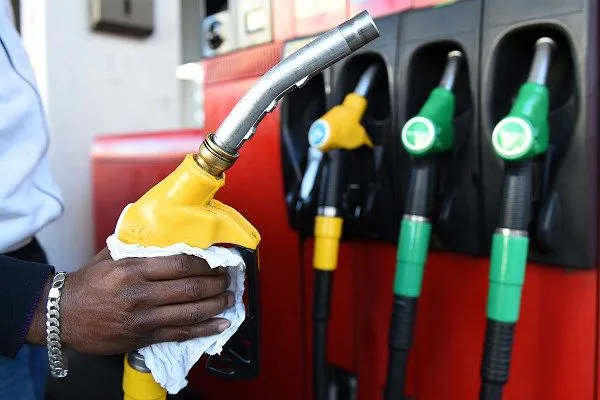
Some oil marketing companies (OMCs) in Ghana have increased fuel prices at the pumps, with Star Oil raising the cost of both petrol and diesel from 1
Some oil marketing companies (OMCs) in Ghana have increased fuel prices at the pumps, with Star Oil raising the cost of both petrol and diesel from 1 August 2026.
Star Oil, one of the major players in the market, increased petrol from GH¢14.47 to GH¢14.53 per litre. Diesel rose more sharply, from GH¢17.67 to GH¢18.77 per litre.
The company’s petrol price matches the price floor set by the National Petroleum Authority (NPA).
The latest changes reflect the industry’s bi-weekly fuel price review system, which operates under Ghana’s petroleum price deregulation policy. Since 15 July 2026, Star Oil has adjusted its pump prices three times.
The Chief Executive of Star Oil, Philip Tieku, said international market movements and the depreciation of the Ghana cedi against the US dollar were behind the increases.
In a Facebook post on 24 July 2026, Mr Tieku said: “World market prices of gasoline have increased by nearly 20%, while diesel prices have risen by approximately 25%”.
He added that most OMCs had started increasing their prices before 1 August because many companies purchase petroleum products daily on a cash-and-carry basis.
Under that arrangement, each new shipment is priced according to prevailing international petroleum prices and the exchange rate at the time of purchase.
Mr Tieku said the approach was intended to prevent arbitrage opportunities.
More price reviews expected
Several other OMCs are expected to review their prices at the pumps on 2 August 2026, while others have told Joy Business they will make changes on Monday, 3 August.
Some companies have indicated that they will follow industry price quotations. Under those projections, petrol could rise to at least GH¢15.23 per litre, while diesel could sell for GH¢17.45 or more than GH¢18 per litre.
Some market analysts believe the increases may not be as severe for many consumers because a number of OMCs have already adjusted their prices in recent weeks.
However, the latest developments could increase pressure on the Minister for Transport to approve a request from the Ghana Private Road Transport Union for higher transport fares.
Global markets and cedi depreciation
The Chamber of Commerce for the Petroleum Consumers, also known as COMAC, said the expected rise in fuel prices was being driven by higher global crude oil prices and increases in the cost of refined petroleum products.
COMAC said average crude oil prices had risen by 23.25% during the review period. Refined products also recorded significant increases, with diesel rising by 24.84%, petrol by 12.58% and liquefied petroleum gas (LPG) by 12.24%.
Average crude oil prices increased from US$71.90 to US$88.62 per barrel.
The Chamber linked the rise to increased geopolitical tensions, particularly developments connected to the US-Iran conflict and uncertainty over the reopening of the Strait of Hormuz.
Prices briefly eased after early optimism about a possible peace agreement. But Iran’s rejection of Oman’s shared-control proposal, renewed attacks on tankers and continuing restrictions on shipping have kept geopolitical risks elevated.
Those developments have helped keep Brent crude close to US$88 per barrel.
COMAC also identified the weakening of the Ghana cedi as a major contributor to the expected increases in pump prices.
For the 1 August pricing window, the exchange rate moved from GH¢11.4970 to GH¢11.6593 for one US dollar. That represented a depreciation of 1.41% and increased the cost of importing petroleum products into Ghana.

COMMENTS