
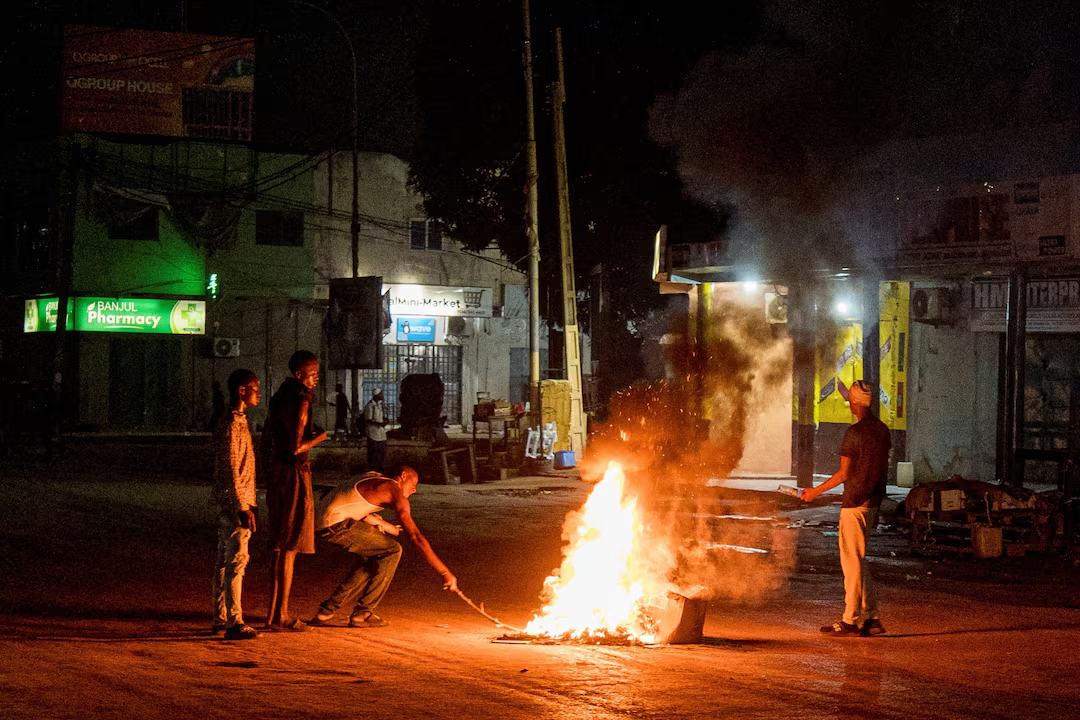
Police fired tear gas to disperse protesters who gathered overnight at multiple locations across The Gambia, including near President Adama Barrow's o
Police fired tear gas to disperse protesters who gathered overnight at multiple locations across The Gambia, including near President Adama Barrow’s official residence, as public anger over prolonged power cuts boiled over into open unrest.
In and around the capital, Banjul, demonstrators burned tyres and erected barricades, chanting “Barrow must go!” as smoke filled the air, according to witnesses.
The protests, which began in Banjul before spreading to Farafoto, Westfield and other areas, saw crowds also gather outside the residence of Vice President Mohammed B.S. Jallow and damage banners at a ruling party office.
The unrest was fuelled by an electricity crisis that has left residents without power for stretches of up to 48 hours, according to accounts from those affected.
The National Water and Electricity Corporation (NAWEC) has pointed to a technical fault affecting one of its major power-generating units, along with import constraints and a demand surge driven by hot weather, warning that further load-shedding would be needed but giving no timeline for relief.
The disruption lands at a politically sensitive moment for Barrow, who is seeking a third term in a presidential election expected in December.
Responding to the growing anger, the president on Tuesday described the outages as “a national security issue” and “an emergency,” visiting a NAWEC power station as he pledged action, while the utility’s managing director appealed to citizens for patience, attributing some of the strain to climate change and disruptions linked to the war in the Middle East.
By Tuesday morning, calm had returned to Banjul as youths worked to douse the fires and clear the barricades.

COMMENTS