
The US government has agreed to keep supplying some of the world's poorest countries with free medicines and equipment for mothers, newborns
The US government has agreed to keep supplying some of the world’s poorest countries with free medicines and equipment for mothers, newborns and young children, following months of uncertainty.
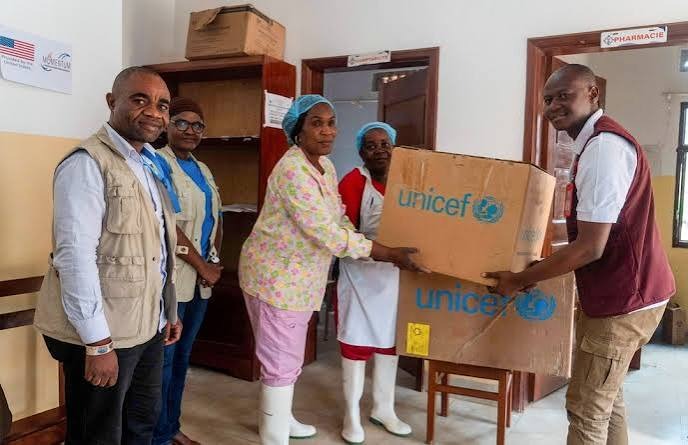
The deal is a $25 million agreement with UNICEF, covering at least 15 countries, and confirmed by UNICEF and the US State Department.
It covers procurement and delivery of maternal and child health supplies, plus some nutrition items, for countries previously served, including the Democratic Republic of Congo, Haiti and Mali. UNICEF says no orders have been placed yet, but they are expected shortly.
The arrangement follows nearly 18 months of disruption after Washington froze and then scaled back many aid programmes under its “America First Global Health Strategy.”
Former US aid officials, NGOs and government officials told Reuters there was real concern because the defunct USAID’s deal with its contractor, Chemonics, was due to expire last month.
The gaps are already visible on the ground. At Nyangezi General Hospital in eastern Congo, staff said they had run out of oxytocin, used to prevent and treat postpartum haemorrhage, and amoxicillin.
A local health official said the cost of care has doubled, if not tripled, over the last six months, while eastern Congo is also battling Ebola.
Even so, the sum is modest. It represents only a small part of the aid affected by the Trump administration’s cuts and the dismantling of USAID.
The US has instead signed more than 30 bilateral health deals with recipient countries, including Congo, which require co-financing from those governments.
The one-year deal is meant as a bridge: it means vulnerable nations should not face another abrupt supply disruption while they negotiate new health aid agreements with the US.
Former USAID officials caution that lead times for orders can run a year or more, even as many countries move to take over their own maternal and child health needs.

COMMENTS