
Ghanaian highlife musician Barosky is considering returning to Ghana after the country’s High Commission in the United Kingdom intervened to assess hi
Ghanaian highlife musician Barosky is considering returning to Ghana after the country’s High Commission in the United Kingdom intervened to assess his welfare and discuss possible support.
The move follows widespread concern about the veteran musician’s condition after a distressing video of him was circulated on social media. The footage prompted reactions from Ghanaians both in Ghana and across the diaspora, with many expressing concern about his circumstances.
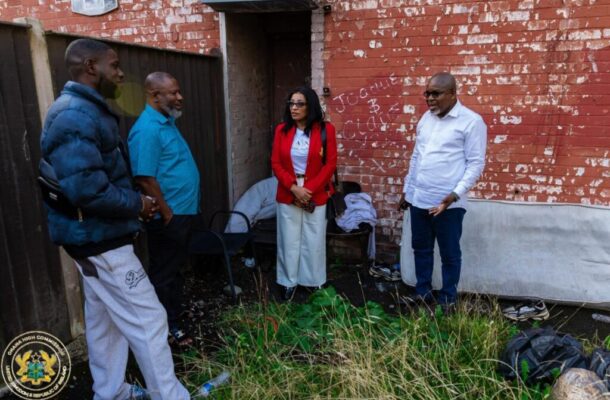
Ghana’s High Commissioner to the UK, Mrs Sabah Zita Benson, travelled to Manchester to meet Barosky and members of the Ghanaian community. The visit was intended to establish how the musician could best be assisted.
Mrs Benson said the High Commission became aware of the situation after receiving several messages about the video. She explained that she chose to meet Barosky in person because of his contribution to Ghanaian music and the importance of ensuring that the Ghanaian community supported one of its respected artistic figures.
The High Commissioner said the mission would be prepared to help facilitate Barosky’s return to Ghana if that was what he wanted. She also emphasised that improving his wellbeing would require a collective response from Ghanaians rather than the efforts of one organisation or individual.
Mrs Benson paid tribute to Barosky’s ability as a musician and questioned why an artist of his standing should be left to face hardship without support. Her intervention has given the musician an opportunity to consider returning home, and Barosky has indicated that he would be willing to do so if the necessary arrangements can be made.
Barosky also thanked Mrs Benson and members of the Ghanaian community for their concern and assistance.
The High Commissioner said the Ghana High Commission remained committed to using the country’s creative and cultural industries to promote Ghana internationally. The engagement with Barosky forms part of that wider recognition of the contribution made by Ghanaian artists.
The musician’s situation has also revived discussion about the need to identify and support veteran Ghanaian performers whose work helped shape the nation’s highlife tradition.
Highlife has played an important role in Ghana’s cultural identity, and musicians from earlier generations made a lasting contribution to the development and popularity of the genre. The renewed attention surrounding Barosky has therefore focused not only on his immediate welfare, but also on the broader responsibility to ensure that veteran musicians are not forgotten after their most active years.
For now, Barosky’s potential return to Ghana will depend on whether the required arrangements can be put in place. The Ghana High Commission’s involvement, alongside the support offered by members of the Ghanaian community, has provided a route for further discussions about his future and wellbeing.

COMMENTS