
Morocco announced a complete suspension of tomato exports to African countries and a partial cut in supplies to Europe until furth
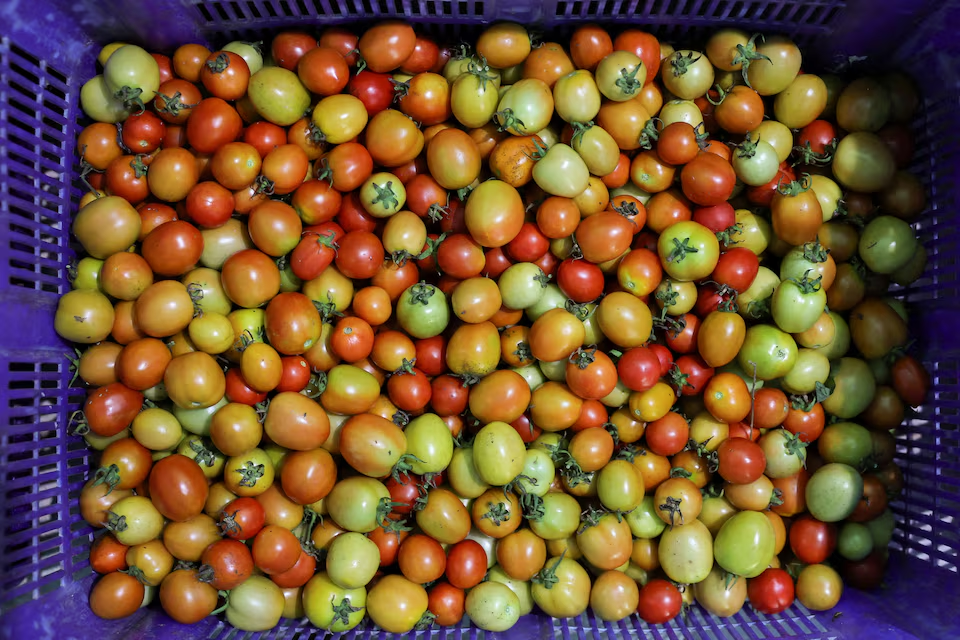
Morocco announced a complete suspension of tomato exports to African countries and a partial cut in supplies to Europe until further notice, aiming to stabilise domestic prices.
Prices had climbed to about 15 dirhams ($1.63) per kilogram, putting pressure on average and low-income households. The suspension took effect on 13 April 2026, with authorities saying local supply had to come first after early-season harvest delays.
The move is a significant one because of Morocco’s weight in the global tomato trade.
The country exports around 767,000 tonnes of fresh tomatoes a year, more than triple the 217,000 tonnes recorded in 2005, and earned nearly $1.2 billion from tomato sales between July 2024 and June 2025.
The suspension came just days after a new government measure regulating financial support for fresh tomato exports. A source at the exporters’ federation FIFEL said the pause was agreed “mutually and amicably.”
Early signs suggested the measure was working at home. A consumer rights association reported that average tomato prices in Morocco had fallen by a third after the measures were introduced, and the African ban remained in force while European shipments continued.
It is not the first time Rabat has taken such action. In an earlier episode, exports to African markets were banned, and European shipments were cut after prices surged, and exports later resumed under a daily cap of 1,000 tonnes. For African importers, the pause is a reminder of how exposed they are to the domestic politics of their suppliers.

COMMENTS